Do tortoises need a heat lamp

Welcoming a tortoise into your home is an exciting journey. These gentle creatures bring joy and curiosity to any household. But, understanding their care needs is crucial.

One key aspect of tortoise care is providing the right heat. Tortoises are ectothermic, relying on external heat to regulate their body temperature. This means a heat lamp is not just a luxury—it's a necessity.

A heat lamp helps create a warm basking area, essential for your tortoise's health. Without it, they can't digest food properly or stay active. The right temperature also supports their immune system and overall well-being.

But how do you choose the right heat lamp? What are the specific requirements? These questions can be daunting for new pet owners. Don't worry, though. We're here to guide you through the essentials.

In this article, we'll explore everything you need to know about tortoise heat lamp requirements. From choosing the right lamp to setting up the perfect enclosure, we've got you covered. Let's dive into the world of tortoise care and ensure your shelled friend thrives.
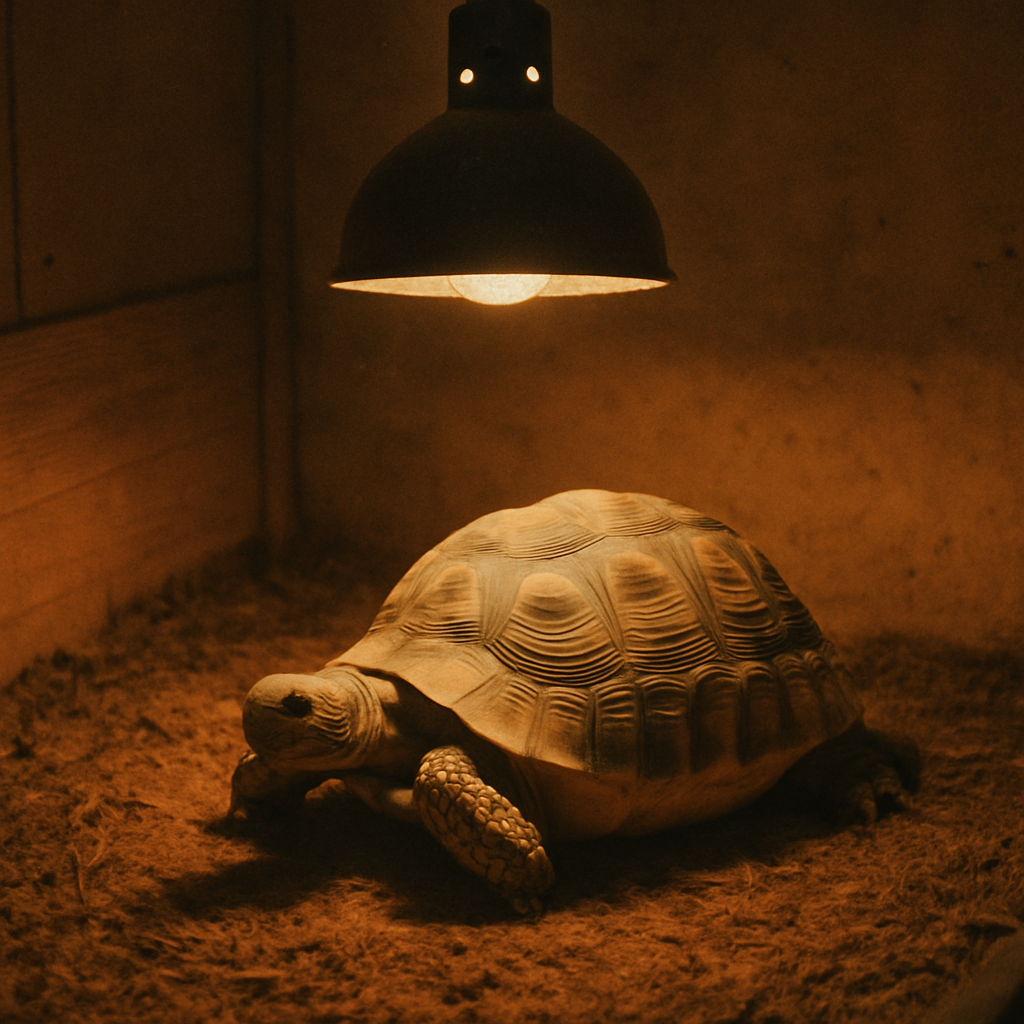
A tortoise basking under a heat lamp in its enclosure

Why Tortoises Need Heat: Understanding Their Natural Needs

Tortoises, like other reptiles, are ectothermic. This means they rely on external heat sources to regulate their body temperature. In their natural habitats, the sun provides warmth they need to function.

Without proper heating, tortoises struggle with basic activities. Their digestion slows down without sufficient heat. This can lead to severe health issues, affecting their growth and energy levels.

In the wild, tortoises move between sunny and shaded areas. This allows them to maintain an optimal body temperature. Similarly, in captivity, we must mimic this environment to keep them healthy.

Here's why heat is vital for tortoises:

  • Digestion: Proper warmth aids digestion and prevents complications.
  • Metabolism: Heat supports their metabolic rate, crucial for energy.
  • Immunity: Adequate temperature strengthens their immune system.

Providing a heat lamp ensures they have a designated area to bask and warm up. It helps simulate the natural conditions they're adapted to. Without it, they can face severe health challenges and suffer discomfort.
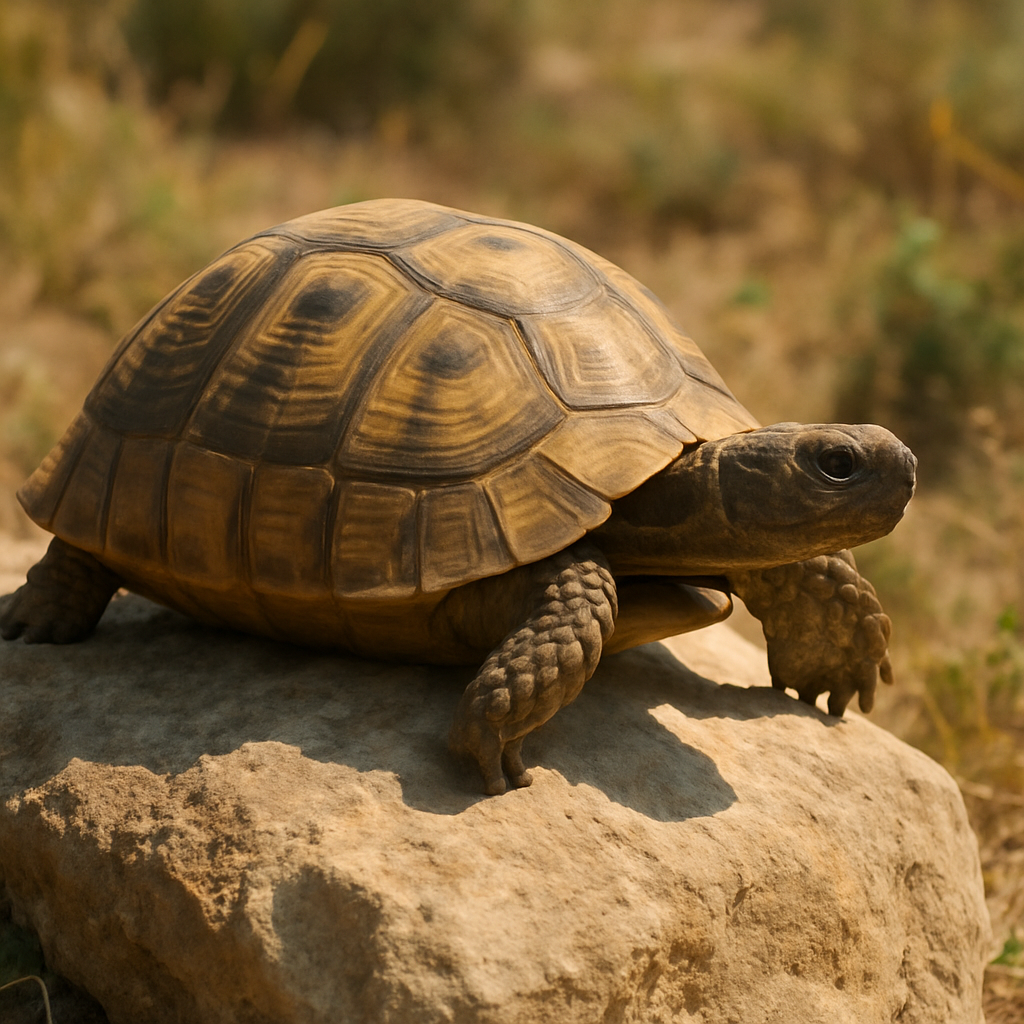
A tortoise in the wild sunbathing on a rock, illustrating its natural heating needs

The Role of Heat Lamps in Tortoise Care

Heat lamps play a crucial role in a tortoise's well-being. They mimic the sun's warmth, providing necessary heat for survival. Without them, tortoises may struggle to regulate their body temperature.

In an indoor enclosure, a heat lamp is indispensable. It creates a basking area, which is vital for thermoregulation. Here, tortoises can warm up or cool down, maintaining their health effectively.

Beyond just warmth, the consistent heat helps facilitate proper digestion. Cold temperatures can hamper their digestive process, leading to potential health problems. Warmth ensures their digestive system functions optimally.

Key roles of heat lamps include:

  • Maintaining Temperature: Offers a stable environment.
  • Encouraging Activity: Warmer temperatures promote movement.
  • Preventing Illness: Reduces risks of temperature-related ailments.

Selecting the right heat lamp involves understanding specific needs. Many options exist, including infrared and ceramic lamps. Each offers unique benefits, ensuring you find the perfect match for your tortoise.

A tortoise basking under a heat lamp in its enclosure

Tortoise Heat Lamp Requirements: Temperatures, Placement, and Safety

Understanding heat lamp requirements is critical for your tortoise's well-being. Temperature, placement, and safety are essential factors to consider. Each plays a role in ensuring a healthy environment.

For most tortoises, the ideal basking temperature ranges from 85°F to 95°F (29°C to 35°C). Nighttime temperatures shouldn't fall below 65°F (18°C). Maintaining these temperatures supports essential bodily functions.

Temperature control can be achieved through effective placement of the heat lamp. Position it to create a basking zone where your tortoise can thermoregulate. Ensure there's also a cooler area in the enclosure.

Proper heat lamp placement helps maintain the desired temperature gradient. Avoid mounting the lamp too low or too high, preventing overheating or insufficient warmth.

When setting up the lamp, remember safety is a priority. Securely mount the lamp to avoid accidents or burns. Also, ensure no direct contact between the lamp and your tortoise.

Safety tips include:

  • Use a Reliable Thermometer: Regularly monitor enclosure temperatures.
  • Consider a Thermostat: Helps maintain consistent temperatures.

The right equipment reduces the risk of temperature fluctuations. This can be detrimental to your tortoise's health if unmanaged.

Common Temperature Ranges for Tortoises:

  • Daytime: 85°F - 95°F (29°C - 35°C)
  • Nighttime: 65°F - 75°F (18°C - 24°C)

Safety Precautions:

  • Check for Overheating: Remove the lamp if temperatures rise too high.
  • Ensure Stability: Lamps should not be easily knocked over.

By adhering to these guidelines, you create a safe and comfortable home for your tortoise. Proper heat and placement contribute to their overall happiness and health.

Image showing proper heat lamp placement in a tortoise enclosureby Andrea Konigsmann (https://ift.tt/XoQvaOx) Image of a thermometer measuring the temperature in a tortoise enclosureby rikkia hughes (https://ift.tt/aXVw0f9)

Choosing the Right Heat Lamp: Types, Wattage, and Features

Selecting the perfect heat lamp for your tortoise can be daunting, given the myriad of choices available. It's vital to focus on types, wattage, and features to make an informed decision.

Different heat lamp types serve distinct purposes. Incandescent bulbs are popular for their cost-effectiveness and availability. Alternatively, mercury vapor bulbs offer heat and UVB, ideal for simplifying your setup.

Consider wattage when purchasing a heat lamp. It impacts the amount of heat emitted. Common options range from 50 to 150 watts, depending on enclosure size and ambient room temperature.

Certain features can enhance your tortoise's habitat. Adjustable clamps and lamp holders provide flexibility in placement. Long-lasting and energy-efficient bulbs reduce maintenance and operational costs.

When choosing a lamp, keep the following in mind:

  • Type: Incandescent, ceramic, or mercury vapor
  • Wattage: Depends on enclosure size and heating needs
  • Features: Adjustable clamps, energy efficiency, bulb lifespan

Always match the lamp to your tortoise's requirements and your setup. Carefully evaluate each factor to ensure optimal warmth without exceeding safety guidelines.

By investing in a suitable heat lamp, you help your tortoise thrive in a comfortable, well-lit environment. The right choice supports their health and overall quality of life.

Here's a caption: **a turtle is resting on gravel.**by Upendra Wanmali (https://ift.tt/itsjEyI) A radiated tortoise sits in an enclosed space.by Gabriela (https://ift.tt/n4hiq5S)

UVB Lighting: Why It’s Just as Important as Heat

In tortoise care, UVB lighting complements heating, playing a crucial role in their development and health. It's essential for synthesizing vitamin D3, which aids calcium absorption, preventing metabolic bone disease.

Without adequate UVB exposure, tortoises risk weakened bones and other health issues. Natural sunlight provides UVB, but for indoor environments, special UVB bulbs are required to mimic outdoor conditions.

When setting up UVB lighting, consider the specific needs of your tortoise species. Different species may require varying levels of UVB exposure. Place the UVB bulb at an appropriate distance to ensure effective radiation.

Here are key considerations for UVB lighting:

  • Type: Florescent tubes, compact fluorescents, or mercury vapor bulbs
  • Placement: Position within 12-18 inches of the basking area
  • Duration: Provide 10-12 hours of UVB light daily

Regularly replacing UVB bulbs is vital since their effectiveness diminishes over time. Most bulbs need replacing every six to twelve months, even if they're still producing visible light.

Investing in quality UVB lighting supports your tortoise's long-term health and well-being. Proper lighting harmonizes with heat to create a nurturing habitat for your shelled friend.

Image of a UVB lighting setup over a tortoise habitatby Ashes Sitoula (https://ift.tt/UobdMOV)

Setting Up the Perfect Tortoise Enclosure: Step-by-Step Guide

Creating an ideal environment for your tortoise involves several key elements. Start by considering the size and species, as these factors influence the enclosure design. A larger space promotes movement and natural behaviors.

First, select a suitable enclosure that provides ample room to roam. Outdoor enclosures are ideal, but for indoor setups, a large, sturdy vivarium or tortoise table works well. Aim to replicate their natural habitat with varied textures and substrates.

For substrate choice, opt for materials that retain moisture like coconut coir or a soil-sand mix. Avoid pine or cedar chips, which can be harmful. Layering the substrate to a depth of several inches allows for natural digging behavior.

Consider these essential components for your setup:

  • Basking Zone: Equipped with a heat lamp and UVB light
  • Cool Area: Offers shade and lower temperatures
  • Hideaways: Provide security and privacy

Maintaining proper humidity levels depends on species requirements. Mediterranean tortoises prefer drier conditions, while tropical species need higher humidity. Monitor humidity with a hygrometer, adjusting as needed.

Add natural decorations like rocks or logs to create interest and promote exercise. Securely arrange these items to prevent tipping or injury.

Lastly, position water and food dishes in accessible locations, ensuring fresh supply daily. Clean these dishes regularly to maintain hygiene. Consistent attention to these elements ensures a healthy, enriching space for your tortoise.

Image of a properly set-up indoor tortoise enclosureby Duc Nguyen (https://ift.tt/0kBTgXG)

Image of a tortoise exploring its enriched habitatby Magdalena Kula Manchee (https://ift.tt/lh12inb)

Monitoring and Maintaining Temperature: Tools and Tips

Keeping your tortoise's enclosure at the right temperature is crucial. Regularly monitor the temperature to ensure your pet's comfort and health. A simple thermometer can help you track the different zones within the habitat.

For precise monitoring, consider using digital thermometers with probes. Place these in both the basking area and the cool zone. This helps maintain the optimal temperature gradient for thermoregulation.

Here are some tools and practices to support temperature management:

  • Digital Thermometers: Accurate readings in multiple zones
  • Infrared Temperature Gun: Spot-check surface temperatures
  • Smart Thermostat: Automatically adjusts heating elements

To maintain consistent temperatures, check your heating equipment regularly. Replace any faulty bulbs or devices to prevent temperature drops or spikes.

a turtle in the grassby Prometheus ðŸ”¥ (https://ift.tt/MperOfX)

By incorporating these tools and tips into your routine, you can create a stable environment. This ensures your tortoise thrives, enhancing their activity and overall well-being. Regular checks give peace of mind, knowing your scaly friend is happy and healthy.

Common Mistakes to Avoid with Tortoise Heat Lamps

Setting up a heat lamp for your tortoise involves several considerations. Avoiding common errors ensures a safe and healthy environment for your pet. Proper heat lamp use supports your tortoise's overall wellness.

New tortoise owners often make similar mistakes. These can easily be avoided with some preparation and knowledge. By recognizing them early, you can take corrective action to prevent potential issues.

Here are common mistakes to avoid:

  • Inadequate Temperature Monitoring: Failing to regularly check temperatures
  • Improper Lamp Positioning: Placing lamps too close or far from the basking area
  • Overlooking UVB Lighting Needs: Not providing essential UVB light for vitamin D3 synthesis

Image of a poorly positioned heat lamp in a tortoise enclosureby Shannon Potter (https://ift.tt/wLg1NUG)

By understanding these pitfalls, you can create a thriving habitat for your tortoise. This proactive approach helps support their long and healthy life. Stay vigilant and keep learning about their needs.

Innovations in Tortoise Heating and Lighting: What’s New?

The world of pet care is ever-evolving, with new products enhancing how we look after our tortoise friends. Cutting-edge advancements make creating the ideal environment even simpler and more effective.

Recent innovations bring several benefits. These advancements not only improve efficiency but also ensure your tortoise's habitat is as close to perfection as possible. Here's a glimpse of what's new:

  • Energy-Efficient Heat Lamps: Reduce electricity bills while maintaining required temperatures.
  • Smart Thermostats: Allow precise temperature control and remote adjustments.
  • UVB and Heat Lamp Combos: Offer a dual solution in a single device for convenience.

a group of turtles on the groundby Markus Winkler (https://ift.tt/LJWUY8k)

By incorporating these new technologies, you can further ensure your tortoise's comfort and health. Stay updated with the latest products to provide the best care possible.

Tortoise Care Tips for Every New Owner

Taking care of a tortoise is a rewarding journey. There are several key points every new owner should know. Following these tortoise care tips ensures your pet thrives in a healthy environment.

Basic Care Needs

Tortoises require a secure and comfortable habitat. Ensure their environment is designed to mirror their natural surroundings as much as possible.

  • Provide a mix of sunny and shady areas.
  • Maintain a clean and safe enclosure.
  • Offer fresh water daily for hydration.

Enhancing Your Tortoise’s Health

Proper diet and lighting are crucial. Focus on a balanced diet rich in nutrients and proper light exposure.

  • Offer a variety of leafy greens and vegetables.
  • Ensure UVB light access for healthy shell growth.
  • Maintain consistent day-night cycles to support natural behavior.

Tortoise munching on leafy greensby Danielle Barnes (https://ift.tt/Vu2efDY)

Becoming a knowledgeable tortoise keeper means continually learning. Join online forums and pet communities to expand your understanding. They can provide invaluable support as you care for your shelled companion.

Frequently Asked Questions About Tortoise Heat Lamps

Many new tortoise owners have questions about heat lamps. Let's address a few of the most common ones. Understanding these essentials helps ensure your tortoise remains healthy and happy.

Common Heat Lamp Queries

Choosing the right heat lamp can seem overwhelming. Here are answers to commonly asked questions:

  • What wattage should I use? Choose a wattage that maintains proper temperature for your tortoise species.
  • How long should the lamp be on each day? Typically 10 to 12 hours, mimicking natural daylight.
  • Are ceramic heat emitters recommended? Yes, especially for nighttime heating without light.

Heat lamps play a vital role in reptile care. With the right approach, you can easily meet your tortoise’s needs. Keep exploring and asking questions to enhance your knowledge and pet’s well-being.

Conclusion: Happy, Healthy Tortoises Start with the Right Heat Lamp Setup

Ensuring your tortoise has a proper heat lamp setup is vital for their overall health. Tortoises rely on warmth to regulate their body temperature and remain active. Investing time and effort in understanding their needs fosters a nurturing environment.

Heat lamps aren't just about keeping your tortoise warm; they're crucial for digestion and immunity. A thoughtful enclosure setup mirrors their natural habitat, promoting longevity and vitality.

Every detail, from lamp placement to UVB exposure, contributes to their well-being. As you continue your journey with your tortoise, remember that a well-informed approach leads to a thriving, joyful pet.

Tortoise basking happily


from Talis Us - Blog https://ift.tt/0PdHEKa

Benefits of UVB Light for Tortoises

Welcoming a tortoise into your home is an exciting journey. These gentle creatures bring joy and curiosity to any household. But caring for them requires understanding their unique needs.

One crucial aspect of tortoise care is UVB lighting. This might sound technical, but it's essential for their health. UVB light helps tortoises synthesize vitamin D3, which is vital for calcium absorption.

Without proper UVB exposure, tortoises can face serious health issues. Metabolic bone disease is a common problem that can arise. This condition affects their shell and overall growth.

Natural sunlight is the best source of UVB. However, for indoor habitats, artificial UVB lights are necessary. Choosing the right UVB light can be overwhelming for new pet owners.

But don't worry! We're here to guide you through the process. From understanding UVB light to selecting the right type, we've got you covered.

A tortoise basking under a UVB light in its enclosure

Let's explore the benefits of UVB light for tortoises together. Your shelled friend will thank you!

Why UVB Light Is Essential for Tortoises

UVB light plays a pivotal role in the well-being of your tortoise. It ensures they can produce vitamin D3, a crucial element for their health. This vitamin is essential for the absorption of calcium in their diet.

Calcium is necessary for the development and maintenance of a healthy shell and bones. Without adequate UVB exposure, tortoises face the risk of developing metabolic bone disease. This condition can lead to deformities and even a shortened lifespan.

In addition to physical health, UVB light impacts your tortoise's behavior. A healthy tortoise is more active and has a better appetite. They will explore their environment and bask under the warmth of their UVB light.

Let's break down the key reasons UVB light is vital:

  • Vitamin D3 Synthesis: Critical for calcium absorption.
  • Metabolic Bone Disease Prevention: Protects against bone deformities.
  • Enhanced Activity Levels: Promotes a lively and curious tortoise.
  • Appetite Stimulation: Encourages healthy eating habits.

Species like the sulcata tortoise require specific UVB conditions. These desert-dwelling creatures need higher UVB levels compared to other species. Mimicking their natural environment is crucial to their health.

Installing UVB lighting in your tortoise’s habitat replicates the effects of sunlight. It's a convenient and necessary addition, especially for indoor setups. Even tortoises with outdoor enclosures benefit from supplemental UVB light.

Remember, UVB is invisible to the naked eye. It’s important to ensure your setup is optimal for your tortoise's specific needs. With proper UVB lighting, your tortoise can thrive in their new home.

Close-up of a tortoise basking, highlighting its shell and texture

Understanding UVB Light: What It Is and How It Works

UVB light is a form of ultraviolet light, part of the natural sunlight spectrum. It reaches your tortoise’s habitat and impacts their health profoundly. UVB is vital for vitamin D3 production in reptiles, including tortoises.

Vitamin D3 is synthesized in the skin when it is exposed to UVB light. This vitamin helps the tortoise absorb calcium, essential for strong shells and bones. The absence of UVB can lead to severe health issues.

UVB light falls into a specific wavelength range, between 290-320 nanometers. This range is crucial for initiating the vitamin D3 synthesis process in reptiles. It's important to choose UVB lights designed specifically for reptile use.

Consider these key points about UVB light:

  • Part of Sunlight Spectrum: Crucial ultraviolet component.
  • Stimulates Vitamin D3 Production: Vital for calcium absorption.
  • Specific Wavelengths Needed: Opt for reptile-specific bulbs.

Different types of UVB bulbs offer varied benefits. For example, fluorescent tubes and mercury vapor bulbs each have unique advantages. We'll explore more about these options later.

Understanding how UVB works helps you create an ideal environment for your tortoise. Proper UVB lighting supports their growth and overall well-being.

Illustration of UVB light spectrum showing different UV wavelengthsby Adrien Olichon (https://ift.tt/h9oXNxO)

UVB Light Benefits for Tortoise Health and Wellness

Providing UVB light for tortoises is not just a basic care step; it's essential for their health and vitality. One of the most critical benefits is the prevention of metabolic bone disease. This condition, stemming from calcium deficiency, can severely impair your tortoise’s mobility and shell integrity.

UVB light also plays a key role in maintaining shell health. A healthy shell is a sign of a thriving tortoise, contributing to their overall appearance and strength. Moreover, UVB light supports proper bone development, crucial for young and growing tortoises.

Tortoises also enjoy behavioral benefits from correct UVB exposure. They often show more activity and have healthier appetites, which are vital for their wellness. Increased energy levels are a visible sign of their well-being.

Highlighting the benefits of UVB light for your tortoise:

  • Prevents Bone Disease: Essential for healthy bone structure.
  • Supports Shell Health: Contributes to shell hardness and beauty.
  • Enhances Activity Levels: Promotes a lively and responsive pet.

Additionally, proper UVB lighting can help in regulating your tortoise’s sleep-wake cycles. This natural rhythm promotes restfulness and improves their daily function. Consistent and adequate UVB exposure ensures your tortoise thrives, keeping them happy and healthy.

Investing in quality UVB lighting is an investment in your tortoise’s long-term well-being. Their healthy growth and active lifestyle are rewarding for you both.

Happy tortoise basking under UVB lightby Duc Nguyen (https://ift.tt/0kBTgXG)

UVB Light for Sulcata Tortoise: Special Considerations

Sulcata tortoises, also known as African spurred tortoises, have unique needs when it comes to UVB lighting. These gentle giants originate from the sun-drenched regions of Africa, meaning they naturally bask under intense sunlight. Replicating this environment requires careful attention to UVB lighting.

Sulcatas require a higher output of UVB compared to other species. This ensures they can properly synthesize vitamin D3, supporting their considerable size and robust shell growth. Without the right UVB levels, these tortoises can suffer from severe health issues.

When setting up a habitat for a Sulcata tortoise, consider the following:

  • Higher UVB Output: Choose bulbs designed for desert reptiles.
  • Extended UVB Exposure: Provide longer basking periods.
  • Maintain Safety: Monitor for signs of overexposure like shell fading or lethargy.

These special considerations help mimic their natural habitat, promoting their well-being. Regular monitoring and adjusting of lighting can prevent potential issues.

Adapting UVB lighting to a Sulcata's needs ensures they live a long, healthy life, bringing joy and companionship to their owners.

Sulcata tortoise thriving with proper UVB lightby Ziyan Junaideen (https://ift.tt/n9Al5Ik)

Types of UVB Lights for Tortoises: Choosing the Right One

Selecting the right UVB light for your tortoise is crucial. A good UVB light supports their health and mimics natural sunlight. With several types available, understanding their pros and cons helps in making an informed decision.

The two most popular types of UVB lights are fluorescent tubes and mercury vapor bulbs. Both have unique benefits, catering to different needs and setups.

Fluorescent Tubes

Fluorescent tubes are commonly used due to their efficiency and ease of use. They are ideal for smaller enclosures and provide consistent UVB emission.

  • Pros:
    • Cost-effective
    • Even UVB distribution
    • Long lifespan
  • Cons:
    • Require a fixture
    • Need to be placed closer to the tortoise

Mercury Vapor Bulbs

Mercury vapor bulbs are a one-stop solution, offering both UVB light and heat. They're perfect for larger enclosures and ensure adequate basking.

  • Pros:
    • Dual function: heat and UVB
    • High UVB output
    • Covers large spaces
  • Cons:
    • More expensive
    • Produce a lot of heat

Choosing the right UVB light involves considering your tortoise species, enclosure size, and specific needs. Consulting with a reptile expert can also provide valuable insight.

Types of UVB lights suitable for tortoisesby szm 4 (https://ift.tt/b0JkgUz)

Understanding these options helps you create a healthy environment. Each light type has qualities that suit different living conditions, ensuring your tortoise thrives.

Choosing the right UVB light for a tortoise habitatby Marcus Dietachmair (https://ift.tt/EpQelN7)

Setting Up UVB Lighting in Your Tortoise Enclosure

Creating the perfect tortoise habitat starts with proper UVB lighting setup. This setup is key to mimicking their natural environment indoors. Follow these steps to ensure your tortoise receives adequate UVB exposure.

Begin by choosing a suitable location for the UVB light. Position it where the tortoise can easily bask under it. Avoid placing it near enclosure walls, which may block light.

A light cycle is important for your tortoise's health. Maintain a 12-hour light and dark period. This cycle aligns with natural day and night rhythms.

Checklist for Setting Up UVB Lighting

  • Choose the right UVB bulb type.
  • Position the bulb for optimal basking.
  • Set up a 12-hour light/dark cycle.
  • Keep the tortoise's natural behavior in mind.

After setting up, regularly check the UVB output. A UVB meter can ensure light levels are consistent and safe.

UVB lighting setup in a tortoise enclosureby Lakshmeesh Hebbar (https://ift.tt/fTusqAl)

By paying attention to these details, your tortoise can enjoy a healthier, more balanced life within its enclosure. An effective UVB setup not only supports growth but also boosts overall wellness.

How to Position and Maintain UVB Lights

Proper positioning is key to maximizing the benefits of UVB light for your tortoise. Ensure the light is neither too close nor too far from the basking spot. Follow the manufacturer's guidelines for optimal distance.

Maintaining UVB lights is equally important. Even if a bulb emits visible light, the UVB output may decline over time. Replace bulbs every 6-12 months to maintain effectiveness.

Regular checks with a UVB meter can confirm light levels remain suitable for your tortoise. This tool helps you ensure your pet is getting the right amount of UVB.

Position and Maintenance Tips

  • Follow the manufacturer's distance guidelines.
  • Replace bulbs every 6-12 months.
  • Use a UVB meter to monitor output.

Positioning and checking a UVB light for tortoisesby Czapp Botond (https://ift.tt/xoV1vU2)

By adhering to these tips, you ensure your tortoise receives the consistent UVB it needs for optimal health. A well-maintained light setup supports strong bones and shell development.

Signs Your Tortoise Needs More (or Less) UVB

Your tortoise's health can give clues about its UVB needs. Insufficient UVB can lead to sluggishness or poor shell condition. Be observant to detect these signs early.

Too much UVB exposure might cause your tortoise to hide excessively or show signs of stress. Carefully monitor its behavior for any adjustments needed.

Signs to Watch

  • Lethargy or lack of appetite
  • Shell deformities or softness
  • Excessive hiding or stress responses

Observing tortoise behavior under UVB lightingby GOETZ Jean-Pierre (https://ift.tt/3oSzVFa)

Adjusting UVB levels based on these signs ensures your tortoise remains healthy and comfortable. Regular checks and attentiveness are key to maintaining the right balance.

Common Mistakes with UVB Lighting and How to Avoid Them

New pet owners sometimes make mistakes with UVB lighting. These errors can harm your tortoise's health. Being aware of them can prevent future issues.

One common mistake is relying on visible light as an indicator of UVB output. Another error is placing the UVB light too far from the tortoise. Careful positioning is crucial for effective exposure.

How to Avoid Mistakes

  • Replace UVB lights every 6-12 months
  • Follow manufacturer's guidance on light placement
  • Use a UVB meter for proper UV exposure

Improper UVB light positioning in tortoise enclosureby Desiree M (https://ift.tt/Weu4m6H)

Avoiding these common pitfalls ensures your tortoise receives the right amount of UVB, promoting a healthy and happy life.

Combining UVB Light with Other Elements of Tortoise Care

UVB lighting is essential but not a standalone solution for tortoise health. It should be part of a holistic approach. This includes diet, temperature, and habitat.

Diet plays a crucial role in your tortoise's well-being. Ensure a balanced, nutritious diet for optimal health benefits. Combine UVB light with healthy feeding.

Key Elements of Tortoise Care

  • Provide a varied and nutritious diet
  • Maintain proper temperature and humidity levels
  • Ensure regular veterinary check-ups
  • Create a comfortable and stimulating habitat

Balanced diet and UVB light for tortoisesby Dan Maisey (https://ift.tt/vfM6A9a)
By integrating UVB light with other care elements, you'll create a thriving environment. This balanced approach supports your tortoise's overall health and wellness.

Frequently Asked Questions about UVB Light for Tortoises

Many new tortoise owners have questions about UVB light. It's important to address these concerns. Here are some common inquiries.

How often should I change the UVB bulb? Replacement is usually needed every 6-12 months. Even if the bulb still lights, UVB output diminishes over time.

What happens if I don't provide UVB light? Your tortoise might suffer from health issues. These can include metabolic bone disease due to poor calcium absorption.

Common UVB Light Questions

  • How do I measure UVB output?
  • Can I use regular light bulbs?
  • Are different tortoise species' UVB needs the same?
  • Can outdoor tortoises skip artificial UVB?

Each tortoise's needs can vary slightly. It's always wise to consult with a reptile vet. They can provide guidance tailored to your pet.

Conclusion: Giving Your Tortoise the Best Start

Providing your tortoise with proper UVB light is crucial for its health and happiness. This dedication ensures your tortoise can thrive and grow strong.

Remember, UVB light complements a balanced diet and a well-maintained environment. By investing in the right UVB setup, you're offering your tortoise the best chance at a vibrant life. Your thoughtful care makes a world of difference for your shelled companion.


from Talis Us - Blog https://ift.tt/uGrS120

How long does the tortoise live

Tortoises are fascinating creatures known for their impressive longevity. They can live for many decades, sometimes even over a century. This makes them unique among pets.

Understanding tortoise lifespan is crucial for new pet owners. It helps in planning and providing the best care possible.

Different species have varying lifespans. For example, the Russian tortoise can live up to 50 years.

The Red-footed tortoise also boasts a long life, often reaching 50 years or more. Pancake tortoises, with their flat shells, live around 30 to 50 years.

Several factors influence a tortoise's lifespan. These include diet, habitat, healthcare, and genetics.

A balanced diet and a suitable environment are essential for their well-being. Regular veterinary check-ups also play a vital role.

Tortoises are a long-term commitment. They often outlive their owners, requiring careful planning for their future care.

A tortoise basking in the sun, showcasing its long lifespan

Tortoise Lifespan: An Overview

Tortoises are renowned for their extraordinary longevity, far surpassing many other pets. Each species exhibits unique lifespan traits, influenced by various environmental and care factors. It's essential to understand these differences for proper care and commitment.

On average, tortoises live several decades, with some species reaching or even exceeding 100 years. This enduring lifespan varies significantly among species.

Here is a quick overview of tortoise life expectancies:

  • Russian Tortoise: Around 40 to 50 years
  • Red-footed Tortoise: Approximately 50 years
  • Pancake Tortoise: Typically 30 to 50 years
  • Galapagos Tortoise: Over 100 years

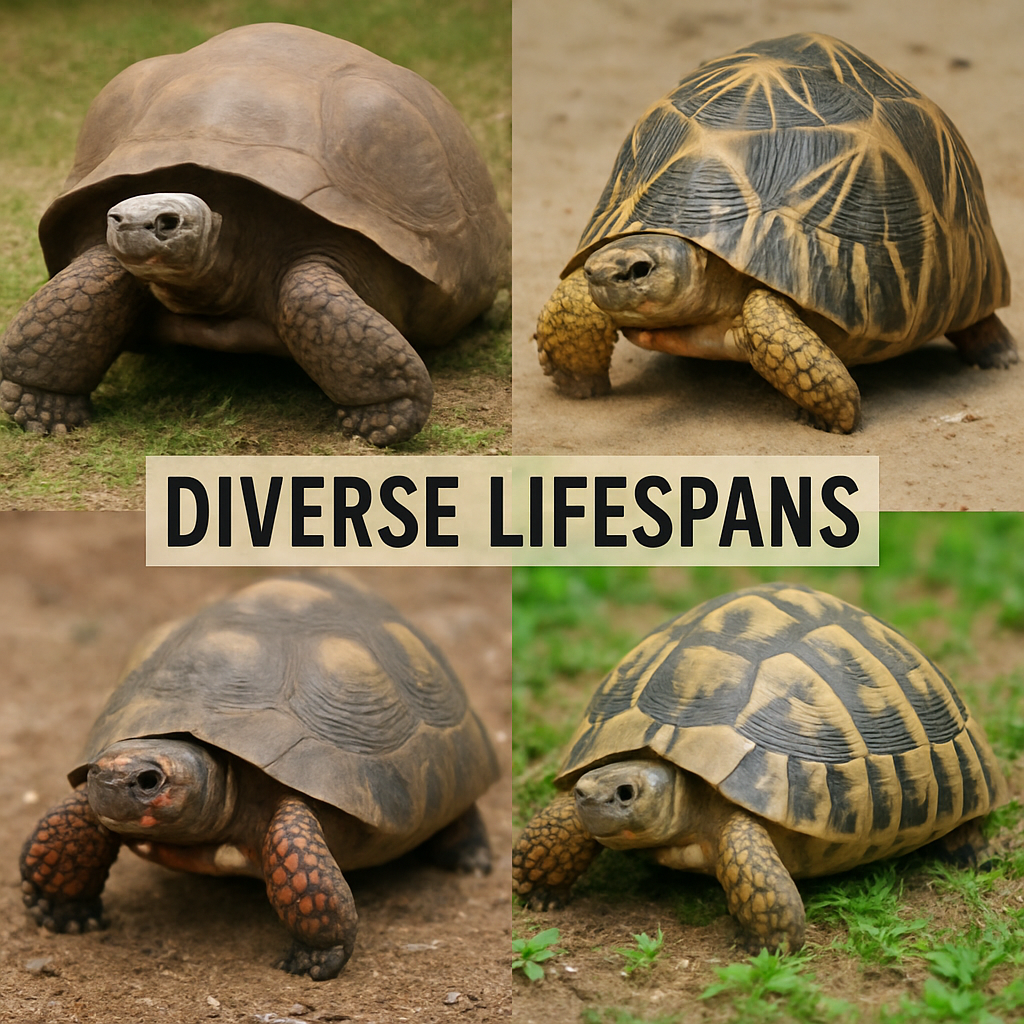
A collage of tortoise species, illustrating diverse lifespans

The variation among tortoise lifespans highlights the importance of species-specific care. From diet to habitat, each element plays a crucial role. A well-maintained habitat that mimics their natural environment is vital. This aids in promoting health and longevity.

Understanding tortoise lifespan is not just about numbers. It's about enriching the life experience of these incredible creatures. Owning a tortoise requires a long-term investment of time, care, and love, rewarding pet owners with a unique, lifelong companion.

Why Do Tortoises Live So Long?

Tortoises' remarkable longevity is no accident. Their evolutionary design and lifestyle play a significant role. As cold-blooded creatures, their metabolism is slow, which contributes to their longevity. Their bodies expend less energy overall, aiding in their extended lifespan.

Moreover, tortoises have evolved strong natural defenses, such as a protective shell. This armor is not just for show; it reduces their vulnerability in the wild. Their calm, slow-paced lifestyle also minimizes stress, which can boost their life expectancy.

The following factors contribute to a tortoise's long life:

  • Metabolic Efficiency: Slow metabolism aids longevity.
  • Protective Shell: Offers defense and reduces predation.
  • Lifestyle: Minimal stress through deliberate, slow movements.

A tortoise resting under a tree, exemplifying its slow-paced lifestyleby Atharva Kanekar (https://ift.tt/WzYg3If)

The diet of a tortoise is also pivotal. Consisting of leafy greens and vegetables, it provides necessary nutrients while avoiding overindulgence. Their herbivorous habits prevent diet-related illnesses, ensuring their nutrition aligns with nature.

Lastly, genetics cannot be overlooked. Species that have adapted to survive scarce resources often live longer. This genetic adaptation ensures tortoises are equipped to thrive and endure, making them a symbol of endurance and resilience in the animal kingdom.

Tortoise Life Expectancy by Species

Different tortoise species have varied lifespans. Each species brings its unique charm and longevity traits to the table. Generally, pet tortoises can live several decades with proper care.

Some tortoises even match the lifespan of their owners or outlive them. It's crucial to know the life expectancy of specific species to prepare adequately. Here are some common pet tortoise species and their expected lifespans:

  • Russian Tortoise: 40-50 years
  • Red-Footed Tortoise: Around 50 years
  • Pancake Tortoise: 30-50 years

Various tortoise species, including Russian and Red-Footed, grazing togetherby mulugeta wolde (https://ift.tt/mbUxzoO)

Understanding these species-specific expectations helps potential owners choose a suitable companion. It also highlights the level of commitment required, ensuring happy, healthy years for both pet and owner.

Russian Tortoise Lifespan

The Russian tortoise, small yet resilient, makes a delightful pet with its manageable size and hardy nature. It thrives in captivity when given attentive care, generally living between 40 and 50 years.

To maximize their lifespan, it's essential to mimic their natural environment. This involves providing a dry, warm setting and appropriate shelter. A diet of high-fiber and varied leafy greens is crucial for their well-being.

Factors affecting the lifespan of a Russian tortoise include:

  • Habitat: Mimicking natural conditions supports longevity.
  • Diet: High in fiber and variety ensures health.
  • Care Quality: Regular health checks prevent issues.

A Russian tortoise basking under a heat lamp in its enclosureby Rock Staar (https://ift.tt/9lVwGCa)

With proper care, Russian tortoises can be lifelong companions, symbolizing patience and persistence.

Red-Footed Tortoise Lifespan

The red-footed tortoise, notable for its vibrant markings, has an average lifespan of around 50 years. Some may even surpass this with optimal care. Native to South America, they prefer a warmer, humid environment.

Providing the right conditions is key. This includes adequate humidity, UVB lighting, and a diet rich in fruit and greens. These elements replicate their natural habitat, supporting long-term health.

Key factors for red-footed tortoise lifespan:

  • Environment: Warm and humid conditions are essential.
  • Lighting: UVB light aids vitamin D3 synthesis.
  • Diet: Fruits and greens ensure a balanced intake.

A red-footed tortoise exploring a leafy, humid environmentby Diane Theresa Hendrick (https://ift.tt/ebHOBf9)

Their engaging personality adds to their appeal as long-lived pets, while proper care practices extend their vibrant lives.

Pancake Tortoise Lifespan

Pancake tortoises stand out with their unique flat shells and sociable nature. While they typically live around 30-50 years, some owners report even longer lifespans.

Understanding their distinctive characteristics is vital for their care. Pancake tortoises thrive in rocky, arid environments, requiring low humidity and a protein-rich diet. Providing spaces for climbing and hiding boosts their well-being.

Essential aspects of pancake tortoise care:

  • Habitat: Arid and rocky, with climbing opportunities.
  • Humidity: Low levels prevent health issues.
  • Diet: Protein-rich foods promote vitality.

A pancake tortoise navigating a rocky, arid setupby Alvin David (https://ift.tt/QM3goD8)

Their playful demeanor makes pancake tortoises a joy for dedicated owners, promoting a commitment to life-long wellness.

Other Popular Pet Tortoises and Their Age Range

Beyond the well-known species, several other tortoises capture the hearts of pet owners with their distinct lifespans and traits.

Some popular choices include:

  • Sulcata Tortoise: 70+ years
  • Leopard Tortoise: 50+ years

These tortoises often require specific care but reward owners with years of companionship and learning. Knowledge of their age range aids owners in meeting their unique needs effectively.

Planning for their long life ensures these pets remain thriving companions, offering countless memories and experiences along the way.

Factors That Influence Tortoise Lifespan

A tortoise's lifespan can be shaped by various elements, many within our control as pet owners. Understanding these factors enables us to enhance their well-being significantly.

First and foremost, a balanced diet, rich in leafy greens and vegetables, is critical to maintaining health. Additionally, providing a diverse diet prevents nutritional deficiencies, promoting overall vitality.

Environmental conditions also play a crucial role. Tortoises require living spaces that replicate their natural habitats, ensuring they can thrive comfortably. This includes appropriate temperatures, humidity levels, and ample space for exploration.

Preventive healthcare is equally vital. Routine veterinary visits help in early detection of potential health issues, allowing for timely interventions. Regular parasite checks are particularly important for preventing infestations.

Lastly, stress levels should be minimized to avoid health complications. A stable environment, free from loud noises and abrupt changes, supports a calm and healthy tortoise.

Key factors impacting tortoise lifespan include:

  • Diet: Nutritional balance and variety
  • Habitat: Mimicking natural conditions
  • Healthcare: Routine veterinary check-ups
  • Stress: Maintaining a tranquil setting

A happy tortoise in a well-maintained, naturalistic enclosureby Andrea Konigsmann (https://ift.tt/XoQvaOx)

By focusing on these critical aspects, pet owners can offer their tortoises a long, flourishing life full of joy and vitality.

How to Help Your Tortoise Live a Long, Healthy Life

Ensuring your tortoise enjoys a long, healthy life begins with understanding their unique needs. Small actions can make a big difference in their overall well-being.

Start by creating a habitat that feels just like home. This involves providing an environment that closely resembles their natural surroundings. Proper temperature regulation and UVB lighting are crucial for digestion and shell health.

Nutrition is the next pillar of longevity. A diet abundant in leafy greens, vegetables, and occasional fruits supports optimal health. Be cautious, though, as overfeeding or offering the wrong foods can lead to health issues like obesity.

A routine filled with enrichment activities can prevent boredom and stimulate their curiosity. Simple additions like hiding spots or climbing areas can significantly enhance their quality of life.

Regular health check-ups are also essential. This includes visits to a tortoise-savvy vet and periodic assessments of their physical condition, focusing on shell and limb health.

Remember, the little things add up! Attention to diet, habitat, and healthcare all contribute to a long, happy life for your tortoise.

Helpful actions for tortoise care include:

  • Nutrition: Balanced diet and portion control
  • Environment: Mimicking natural habitat
  • Enrichment: Providing stimulation and exercise
  • Healthcare: Regular vet visits and monitoring

A well-cared-for tortoise basking under a heat lampby Bo Schoonejans (https://ift.tt/z6IBSF1)

By focusing on these areas, you can enjoy many rewarding years with your shelled companion.

Signs of Aging and How to Care for Senior Tortoises

As tortoises age, subtle changes can indicate it's time for a little extra care. Recognizing these signs helps you adjust your care routine accordingly.

Senior tortoises may move slower or nap more often. Their appetite might decrease, or they may struggle with digestion. Monitoring weight and adjusting their diet is essential to cater to these changes.

Older tortoises benefit from routine health checks to detect ailments early. Keeping a close eye on their shell condition and joint mobility is vital as wear and tear can occur.

Caring for senior tortoises involves several steps:

  • Diet Adjustments: Softer food if needed
  • Exercise: Encourage gentle activity
  • Regular Check-ups: Monitor weight and health
  • Comfortable Habitat: Easier access to food and water

A senior tortoise enjoying a peaceful environmentby Stephanie LeBlanc (https://ift.tt/Jf7XEoN)

Understanding the needs of an aging tortoise ensures they continue to enjoy a comfortable, fulfilling life. Providing the right environment and care allows your beloved pet to thrive well into their golden years.

Planning for a Tortoise’s Long Life: Commitment and Responsibility

Owning a tortoise can be a rewarding lifelong journey. But it demands careful planning due to their impressive lifespan. Tortoises often outlive their owners, so it's crucial to prepare for their long-term care.

Ensuring their future means considering plans in case something happens to you. Find a reliable caretaker who understands tortoise needs and is ready to step in as required.

Creating a care guide for your tortoise is beneficial. It provides essential information and instructions to future caregivers, including details like diet, habitat, and health history.

Here's a quick guide to long-term tortoise care:

  • Establish a Care Plan: Choose a future caregiver
  • Provide Instructions: Write a care guide
  • Financial Planning: Allocate funds for their care

A tortoise with a dedicated caretakerby SLNC (https://ift.tt/Metzw9S)

Being proactive about your tortoise's future ensures they receive the love and care they deserve, no matter what happens.

Fun Facts About Tortoise Longevity

Tortoises captivate with their slow pace and remarkable age potential. Known for outliving many other animals, they carry life stories spanning generations. This longevity is both fascinating and unique to their kind.

Let’s explore a few astonishing facts about tortoise lifespans:

  • Oldest Known Tortoise: Over 180 years old
  • Natural Longevity: Some wild tortoises exceed 100 years
  • Living History: Tortoises have witnessed world events over centuries

Close-up of a wise, elderly tortoiseby Michael Lefrancois (https://ift.tt/cb8xUXL)

Their enduring life stands as a testament to nature’s wonders, continuing to inspire and amaze us all.

Frequently Asked Questions About Tortoise Lifespan

Pet owners often wonder about the factors affecting how long tortoises can live. Understanding their lifespan helps in planning for their care and needs.

Here are some common questions and answers regarding tortoise longevity:

  • What is the typical lifespan of a pet tortoise?
    • Generally, pet tortoises live between 40 and 70 years with proper care.
  • Can tortoises live over 100 years?
    • Yes, some wild tortoises have lived beyond a century.
  • How can I estimate my tortoise's age?
    • Count the growth rings on their shell, though it's not always precise.

Informed care and knowledge of their lifecycle enhance your tortoise's well-being and long-term happiness.

Conclusion: The Joy of a Long-Lived Companion

Having a tortoise as a pet is a unique and rewarding experience. These amazing creatures not only teach us patience and care but also become cherished family members over time. With their impressive lifespans, tortoises are a long-term commitment, offering years of companionship, intrigue, and learning.

Their slow, steady way of life reminds us to enjoy the journey rather than rush to the destination. Providing proper care will ensure your tortoise lives a healthy and happy life, creating cherished memories for decades to come.


from Talis Us - Blog https://ift.tt/VIDketq

What Do Tortoises Eat? The Ultimate Guide to Healthy Tortoise Food Choices

Curious about what fuels your slow-moving, shell-clad friend? Proper tortoise food is key to keeping these unique reptiles healthy, happy, and active for decades. Whether you’re caring for a tiny hatchling or an ancient giant, knowing exactly what tortoises eat makes all the difference.

Understanding the Tortoise Diet: Herbivore Basics

Tortoises are herbivorous reptiles, which means plants make up the bulk of their diet. However, "plants" is a broad term—species, age, and habitat all influence the best tortoise food for any given pet. Unlike opportunistic omnivores, tortoises rely on a high-fiber, low-protein, and low-fat diet dominated by leafy greens, stems, and flowers. Their digestive systems are not built to handle animal products, sugary treats, or processed human foods. Feeding your tortoise the right mix ensures proper shell development, digestion, and activity.

Wild vs. Captive Tortoise Food: Key Differences

In the wild, tortoises graze constantly, munching on a huge variety of weeds, grasses, and vegetation. Captive tortoises, however, depend on what their keepers offer. This environment means the pet owner is responsible for mimicking the variety and balance found in nature, avoiding both over-supplementation and dangerous deficiencies.

• Wild tortoises consume 50+ plant types per day.
• Captive diets often lack diversity without careful planning.
• Many health issues arise from incorrect food, such as pyramiding shells or digestive disorders.

Core Components of a Balanced Tortoise Food Plan

Every successful pet tortoise diet relies on a few core components. Choosing foods with the right balance of fiber, moisture, and minerals helps your tortoise thrive.

  • Leafy Greens: Mustard greens, dandelion greens, collard greens, and endive lead the list. These provide calcium and essential nutrients.
  • Grasses and Hay: Timothy, orchard, and Bermuda grasses replicate wild grazing. For grazing species (like Sulcatas or Leopards), grass hay is essential.
  • Flowers: Hibiscus, nasturtium, marigold, and rose petals are nutritious and enticing.
  • Succulents: Prickly pear cactus pads, aloe (sparingly), and certain sedums can be fed safely.
  • Vegetables: Squash, bell pepper, and zucchini are occasional add-ins for fiber and variety.

Prioritize foods high in calcium and low in oxalates or phosphorus. Limit items like spinach, beet greens, and chard, as they may bind calcium, preventing absorption.

Greens: The Foundation of Healthy Tortoise Food

Greens dominate the diet for nearly all tortoise species. While variety remains vital, some greens are safer and more nourishing than others. Key staples include:

  • Dandelion greens: High in calcium, low in oxalates, and widely accepted.
  • Mustard and collard greens: Both have excellent vitamin and mineral profiles.
  • Turnip greens: Another calcium-rich option.
  • Endive and escarole: Soft, palatable, and nutrient-dense.
  • Grape leaves: Packed with vitamins and well-tolerated.

Rotate greens daily to mimic the diversity found in natural environments. Rinse thoroughly to remove pesticide residues, especially with store-bought produce.

Greens to Avoid

Not all leafy greens are beneficial:

  • Spinach and Swiss chard: High in oxalates that can inhibit calcium uptake.
  • Iceberg lettuce: Mostly water, little nutrition.
  • Kale: Fine occasionally, but best not as the majority due to goitrogen content.

Grasses and Hay: Essential for Grazing Tortoises

Species like the Sulcata, Leopard, and Greek tortoises are natural grazers. Their digestive tracts flourish on a high-fiber diet rich in grass and hay.

  • Fresh-cut grass (free from chemicals and pet waste) can be offered as a major dietary component.
  • Timothy, orchard, and Bermuda hay make excellent choices, offering both nutrition and teeth maintenance.

Avoid alfalfa hay for most species, as it is too high in protein and calcium.

Introducing Grasses for Non-Grazing Species

For forest-dwelling species (e.g., Red-footed or Russian tortoises), some grass can supplement the diet, but shouldn’t dominate. Instead, offer a balance of broadleaf weeds and greens.

Safe and Nutritious Flowers

Bright, edible flowers not only add beauty to your tortoise food mix but also enhance taste and nutrition.

• Hibiscus flowers and leaves: Tortoises relish these, and they're full of vitamins.
• Nasturtium: Both leaves and flowers are safe, with a peppery kick.
• Rose petals: Ensure they're chemical-free before serving.
• Dandelion flowers: As safe as the greens, but feed in moderation due to natural sugars.
• Marigold and pansy: Use sparingly for color and enrichment.

Never offer flowers from florists or gardens treated with pesticides or fertilizers.

Healthy Succulents and Fleshy Plants

Some tortoises, particularly those from arid regions, benefit from occasional succulent treats. These add moisture and unique nutrients to the meal plan.

  • Prickly pear (Opuntia) pads: Remove spines and serve in chunks.
  • Aloe vera: Can be given sparingly; overfeeding may cause loose stools.
  • Sedum species: Certain types are safe, provide as a treat only.

Carefully research each plant before offering, as not all succulents are non-toxic.

Vegetables: Occasional Tortoise Food Additions

Although vegetables are not the primary focus, they can be introduced in moderation for diversity and enrichment.

Best options include:

  • Bell peppers (red, yellow, green): Rich in vitamin C.
  • Squash and zucchini: Low-calorie, easy to digest.
  • Cucumber: Mostly water but hydrating on hot days.

Limit or avoid starchy vegetables (like carrots and potatoes) and cruciferous types (broccoli, cabbage) to prevent digestive upset or imbalances.

Fruits: Use Sparingly and Species-Specific

Most tortoises should not consume fruit regularly, as high sugar content can disrupt gut flora and cause health problems. There are exceptions: Red-footed and Yellow-footed tortoises naturally encounter fruit in their native habitats, so moderate amounts can be included for them.

Appropriate fruits in small servings:

  • Papaya
  • Mango
  • Watermelon (seedless)
  • Strawberry (in season)
  • Figs

Never feed citrus fruits, as the acidity can cause digestive issues.

Commercial Tortoise Food Pellets: Pros and Cons

Ready-made tortoise food pellets can serve as a convenience, but they should never replace fresh, natural options. Use only as a supplement, if at all.

Pros:

  • Ensure mineral and vitamin content when fresh variety is unavailable
  • Long shelf life and easy to store

Cons:

  • Many contain too much protein, sugar, or artificial fillers
  • Over-reliance can lead to obesity, shell deformities, and lethargy

If you must use commercial foods, choose reputable brands formulated for your tortoise’s species, and always mix with fresh greens and grasses.

Dangerous Foods to Avoid

Some foods are outright toxic or detrimental to tortoises. Offering these can lead to severe illness or even death.

  • Animal proteins (meat, eggs, dog or cat food)
  • Rhubarb (leaves are extremely toxic)
  • Avocado
  • Dairy products (tortoises cannot digest lactose)
  • Processed human foods (bread, pasta, candy)
  • Spinach, chard (high oxalates)
  • Onions, garlic, chives

When in doubt, research thoroughly or check with a reptile-savvy veterinarian before introducing new foods.

Supplements: Vitamins, Minerals, and Calcium

Even with a rich variety of tortoise food, some supplemental nutrients may be essential—particularly calcium for strong shells and bones.

  • Calcium: Most tortoises benefit from a light sprinkling of calcium carbonate powder 2–4 times per week.
  • Vitamin D3: If your tortoise lives indoors and lacks natural sunlight, a D3 supplement may be necessary. UVB bulbs replicate natural rays but must be replaced regularly.
  • Multivitamins: Use sparingly, only if a veterinarian advises. Over-supplementation can cause toxicity.

Never provide supplements as the sole source of nutrients; balanced food should always come first.

Hydration: More Than Just Food

Tortoises need constant access to fresh, clean water. Even desert species—contrary to myth—require moisture for effective digestion and overall health.

  • Use shallow, sturdy water dishes that are easy to access and clean.
  • Soak hatchlings and juveniles weekly for extra hydration, especially during hot weather.
  • Foods with high water content (such as cucumber, lettuce, prickly pear) can help but should not replace water dishes.

Monitor for signs of dehydration: sunken eyes, dry skin, or lethargy require immediate attention.

Feeding Schedule and Portion Control

How often should you feed your tortoise? Age, size, species, and activity level all influence the ideal plan.

  • Adult tortoises: Feed once daily; grazing species may need a constant supply of grasses and hay.
  • Young tortoises: Offer food daily, ensuring it’s chopped finely for easy consumption.
  • Remove uneaten food after a few hours to prevent spoilage and ants.

A healthy tortoise will eat eagerly but not overindulge. Weigh your tortoise monthly to track growth and adjust portions as needed.

Special Considerations: Species Variations in Tortoise Food

Certain species have unique needs. Always research your pet’s specific requirements.

  • Mediterranean species (Greek, Hermann’s, Russian): Thrive on high-fiber, weed- and grass-based diets. Avoid fruits and high-sugar foods.
  • Sulcata and Leopard tortoises: Strict grazers; grasses and hay form 70–80% of their intake. Limit all other foods.
  • Red-footed and Yellow-footed tortoises: Adapted to tropical habitats; can include moderate fruits and low-protein mushrooms, as long as greens remain the foundation.
  • Star tortoises: Sensitive digestively; need high-fiber, low-protein diets and strict avoidance of fruits.

Growing Your Own Tortoise Food

For peace of mind and maximum variety, many keepers cultivate food for their tortoises at home. Easy-to-grow options include:

  • Dandelion, plantain, and clover (weeds)
  • Collard and mustard greens
  • Hibiscus and nasturtium (edible flowers)
  • Squash and zucchini

Always use organic methods—no pesticides or synthetic fertilizers. Container gardens ensure safety and convenience.

Troubleshooting Tortoise Diet Issues

Sometimes, even well-meaning keepers run into trouble with tortoise food. Signs of dietary problems include:

  • Soft, misshapen, or pyramided shells (lack of calcium or vitamin D3)
  • Lethargy (inadequate nutrition or improper temperature)
  • Refusing food (wrong food type, illness, or unsuitable habitat)

Address these concerns by reviewing the food list, ensuring correct temperatures, and consulting a reptile veterinarian. A simple adjustment is often all it takes to restore your tortoise’s vitality.

Conclusion

Feeding your tortoise isn’t complicated—but it does require attention to variety, nutrition, and safe choices. By focusing on the right tortoise food, you’ll support their health, longevity, and happiness for years to come. Explore new foods, keep their menu diverse, and always put your tortoise's well-being first.


from Talis Us - Blog https://ift.tt/fPaOcRV