Best Freeze Dried Dog Foods We Carry

Welcome to the world of freeze-dried dog foods! If you're a new pet owner, you're in for a treat.

Freeze-dried dog foods are a fantastic option for your furry friend. They offer a convenient and nutritious alternative to traditional kibble.

These foods retain more nutrients, thanks to the gentle drying process. This means your dog gets the best nutrition possible.

Plus, freeze-dried dog foods have a long shelf life. This makes them perfect for busy pet owners who want to keep things simple.

At Talis US Pet Store, we carry a wide range of the best freeze-dried dog foods. You'll find top brands like Northwest Naturals, Vital Essentials, and K9 Naturals.

Each brand offers unique benefits, catering to different dietary needs and preferences. Whether your dog has allergies or is a picky eater, there's something for everyone.

Transitioning to freeze-dried dog food is easy and rewarding. Your dog will love the taste, and you'll love the convenience.

In this guide, we'll explore the best freeze-dried dog foods we carry. We'll help you choose the perfect option for your pet's well-being.

A happy dog enjoying a bowl of freeze-dried dog food

What is Freeze Dried Dog Food?

Freeze-dried dog food is a special type of pet food. The process starts with raw ingredients being frozen. They're then dried through a process that removes moisture while keeping nutrients intact.

This method is different from traditional cooking. It allows the food to maintain its flavor and nutritional value. Dogs benefit by enjoying a diet closer to what they'd find in the wild.

The freeze drying process offers several advantages. It preserves the natural taste and aroma of the ingredients. It's a big hit with picky eaters who can be swayed by appealing meals.

One of the standout benefits is shelf stability. Freeze-dried foods can last for months. No refrigeration is needed, making it easier for pet owners.

Here's a quick look at what makes freeze-dried dog food unique:

  • Preserves nutrients
  • Rich taste
  • Convenient storage
  • Long shelf life
  • No artificial preservatives

As a pet owner, you'll find freezedried dog food to be a smart choice. It's nutritious, easy to store, and delicious for your canine companion.

An assortment of freeze-dried dog food

Why Choose Freeze Dried Dog Food? Key Benefits for Your Dog

Freeze-dried dog food offers a myriad of benefits. One major advantage is nutrient preservation. Traditional kibble processing often diminishes nutritional value. Freeze-drying, however, maintains vitamins and minerals your pet needs.

Another benefit is convenience. No need for refrigeration, and it's lightweight. This makes it perfect for travel or quick meals. Preparing a nutritious meal for your pup couldn't be simpler.

The long shelf life stands out. Freeze-dried dog food can last for months without going bad. This reduces waste and ensures you always have a meal ready for Fido.

For dogs with allergies, freeze-dried options often shine. They typically contain fewer preservatives or artificial additives. This makes them a hit among owners of sensitive pets.

Palatability is also a highlight. Dogs often prefer the taste of freeze-dried foods. The texture and richness appeal to many picky eaters.

Here's a quick rundown of the key benefits:

  • Retains essential nutrients
  • Lightweight and travel-friendly
  • Long shelf life
  • Fewer additives for sensitive pups
  • Superior taste

Beyond these advantages, freeze-dried foods support health improvements. Many dogs experience better coat condition and increased energy. This adds to the reasons pet owners choose it.

Choosing freeze-dried food can be particularly beneficial for busy pet owners. It offers top-notch nutrition with minimal prep time. For these reasons, consider giving it a try. Your dog may thrive with this premium choice.

Happy dog enjoying freeze-dried foodby Alejo Pugliese (https://ift.tt/Ixk42O9)

How to Transition Your Dog to Freeze Dried Food

Switching your dog's diet to freeze-dried food needs careful planning. A gradual introduction prevents digestive issues. Start by mixing a small portion of freeze-dried food with your dog's current diet.

Slowly increase the freeze-dried portion over a week or two. This allows your dog's digestive system time to adjust. Going slow is key to a smooth transition without tummy troubles.

Keep an eye on your dog's reactions. Look for signs of discomfort or allergies. If any issues arise, slow the transition or consult a veterinarian.

Here's a simple guide for transitioning:

  • Days 1-3: 25% freeze-dried, 75% current food
  • Days 4-6: 50% freeze-dried, 50% current food
  • Days 7-9: 75% freeze-dried, 25% current food
  • Day 10: 100% freeze-dried

Patience is crucial during this process. Each dog adapts differently, so some might need more time. A successful transition will lead to a happy, healthy pup enjoying their new diet.

Dog transitioning to new food dietby Xingchen Yan (https://ift.tt/mf2WpuK)

How to Feed and Store Freeze Dried Dog Food

Feeding your dog freeze-dried food is straightforward and convenient. Most options are ready to serve after simple rehydration. Adding warm water to the freeze-dried nuggets or patties helps bring out the natural flavors and nutrients.

Store freeze-dried dog food in a cool, dry place to maintain its freshness. Proper storage ensures the food remains safe and nutritious for your dog. Keep the packaging sealed tightly when not in use.

Use portion control to keep your dog at a healthy weight. Measure the right amount based on their size, age, and activity level. The packaging usually includes feeding guidelines to help with this.

Here’s a quick look at feeding and storage tips:

  • Rehydrate with warm water before serving.
  • Store in a cool, dry place.
  • Keep packaging sealed when not in use.
  • Follow feeding guidelines for the correct portion size.

Freeze-dried foods are lightweight and travel-friendly. This makes them ideal for on-the-go pet parents. So, enjoy the ease and convenience of maintaining your dog’s diet wherever you are.

Proper storage of dog foodby hayato togashi (https://ift.tt/w9OVpD5)

What to Look for in the Best Freeze Dried Dog Foods

Finding the best freeze-dried dog food for your furry friend can seem daunting. However, knowing key factors to consider can simplify your decision. Start by checking the ingredient list; high-quality protein sources should take the lead.

Ensure that the food meets AAFCO standards for complete and balanced nutrition. These standards guarantee your dog receives all essential nutrients. A mark of quality assurance is important for your pet's well-being.

Evaluate the brand's sourcing and manufacturing practices. Companies that prioritize sustainability and ethical sourcing often offer superior products. Trustworthy brands proudly share their sourcing information.

Consider your dog's specific dietary needs, such as allergies or sensitivities. Many freeze-dried dog foods are formulated to address these needs, offering hypoallergenic or grain-free options. Tailor your choice to your pet's health requirements.

Here are key aspects to look for:

  • High-quality protein sources
  • AAFCO standards compliance
  • Sustainable and ethical sourcing
  • Options for specific dietary needs

Choosing the right food ensures your dog's optimal health and happiness. Keep these factors in mind when exploring your options.

Close-up of a dog inspecting a bowl of freeze-dried foodby Oleksandr Horbach (https://ift.tt/DU9B5vF)

Top Freeze Dried Dog Food Brands at Talis US Pet Store

Talis US Pet Store is your one-stop shop for the best freeze-dried dog foods. We've handpicked brands that prioritize quality and nutrition, ensuring your dog receives the best care. Here are the top brands we carry:

  • Northwest Naturals
  • Vital Essentials
  • K9 Naturals
  • Momentum
  • 360 Pet Nutrition
  • Raw Dynamic
  • The Real Meat Company
  • OC Raw
  • Smallbatch

Each brand offers unique benefits tailored to different pet needs. Let’s explore them further!

white and brown long coated dogby Sunira Moses (https://ift.tt/k0x6L5u)

Northwest Naturals

Northwest Naturals excels in offering diverse protein sources, catering to various dietary needs. Their products are crafted with premium ingredients, ensuring each meal is nutritious and delicious. Committed to quality, they follow rigorous safety standards in every batch.

Their freeze-dried options are versatile, serving as complete meals or toppers. This flexibility makes them suitable for all lifestyles. Additionally, they are free from artificial preservatives, focusing on natural wholesomeness.

Northwest Naturals believes in sustainable practices. They carefully source ingredients, ensuring ethical harvesting and minimal environmental impact. This commitment supports both pet health and the planet.

Key highlights include:

  • Variety of protein sources
  • Complete meal or topper versatility
  • Sustainable, ethical sourcing

For pet owners seeking diversity in their dog's diet, Northwest Naturals is a top choice. Their focus on natural nutrition and sustainability sets them apart.

Northwest Naturals freeze-dried dog food packagingby Daniel Dan (https://ift.tt/1VIL2ho)

Vital Essentials

Vital Essentials is all about offering a raw diet experience. Their freeze-dried foods capture the essence of raw nutrition, with high-quality ingredients your dog will love. This brand emphasizes simplicity and purity, avoiding unnecessary additives.

Vital Essentials focuses on the health benefits of a raw diet. Their freeze-dried products retain the natural nutrients that promote vitality. This ensures your dog gets the maximum nutritional punch in every bite.

The company's commitment to quality is evident in their rigorous standards. They utilize a "Farm-to-Bowl" approach, ensuring transparency and trust in their sourcing and production processes.

Key features of Vital Essentials include:

  • Raw diet experience
  • Nutrient-rich ingredients
  • Farm-to-Bowl transparency

Vital Essentials is ideal for pet owners wanting to provide a raw diet with convenience. Their products are both nutritious and trustworthy.

brown dog on grass looking at cameraby Mitili Mitili (https://ift.tt/SyLGXtQ)

K9 Naturals

K9 Naturals takes pride in using natural, whole-food ingredients sourced from New Zealand. Their freeze-dried range focuses on delivering premium nutrition with a taste dogs adore. The choice of ingredients reflects New Zealand’s pristine environment.

Their commitment to quality is reflected in the care taken during formulation and manufacturing. K9 Naturals ensures their products support optimal health and well-being for your pet. The brand believes that natural is best.

Offering an assortment of protein options, K9 Naturals caters to diverse dietary preferences. Their nutrient-dense foods provide energy and vitality for active dogs.

Notable aspects of K9 Naturals include:

  • Natural, New Zealand-sourced ingredients
  • Whole-food nutrition
  • Diverse protein options

For pet owners seeking authentic, natural nutrition, K9 Naturals is a perfect choice. Their commitment to quality and taste is unmatched.

K9 Naturals freeze-dried dog food being servedby Theodora Ispas (https://ift.tt/zfsjyk1)

Momentum

Momentum specializes in single-ingredient freeze-dried treats, perfect for dogs with allergies. These treats are free from fillers and by-products, promoting pure enjoyment. Their simple yet effective approach to ingredients makes them a trusted choice.

The focus on single ingredients ensures minimal allergenic potential. This makes Momentum treats perfect for sensitive stomachs and allergy-prone pets. Their treats also maintain a high nutrient profile.

Sourcing practices are transparent and ethical. Momentum takes pride in minimal processing, ensuring the essence of the ingredients shines through.

Highlights of Momentum include:

  • Single-ingredient treats
  • Ideal for allergies and sensitivities
  • Transparent sourcing practices

Momentum is a go-to for those prioritizing simplicity in their dog's diet. Their treats offer pure, unadulterated satisfaction.

Momentum's single-ingredient treats being held by a dog ownerby Nima Naseri (https://ift.tt/QlRfwWo)

360 Pet Nutrition

360 Pet Nutrition provides balanced meals focusing on high protein content. Their freeze-dried offerings are crafted with care, ensuring your dog's dietary requirements are fully met. With a holistic approach, they aim for complete wellness.

Their products harness the benefits of a high-protein diet, supporting muscle maintenance and energy levels. With 360 Pet Nutrition, pet health and vitality are paramount.

The brand values transparency. They ensure their ingredients are sustainably sourced and health-focused.

Key elements of 360 Pet Nutrition include:

  • High-protein formulations
  • Balanced, holistic meals
  • Sustainability commitment

360 Pet Nutrition is ideal for dogs needing energy and muscle support. Their nutrition-forward approach ensures your pet thrives.

360 Pet Nutrition high-protein freeze-dried meals in a bowlby J M (https://ift.tt/2kng9K8)

Raw Dynamic

Raw Dynamic stands out for its commitment to sustainable and ethical sourcing. Their freeze-dried dog foods are carefully formulated for balance and wellness. Every ingredient serves a purpose and contributes to health.

Their dedication to sustainability resonates in their sourcing and production choices. By prioritizing the environment and quality, Raw Dynamic stands out in the pet food market. Pet safety and health are always front and center.

Raw Dynamic offers diverse protein selections, supporting rotational feeding for variety and nutrition.

Key advantages of Raw Dynamic:

  • Sustainable, ethical sourcing
  • Balanced nutrition focus
  • Diverse protein options

For eco-conscious pet owners, Raw Dynamic combines quality nutrition with environmental care. Each product reflects thoughtful craftsmanship.

brown long coated small dogby Kilian Seiler (https://ift.tt/x4GAmvr)

The Real Meat Company

The Real Meat Company specializes in air-dried alternatives to freeze-dried products. These foods deliver similar benefits with unique processing methods. The air-drying process preserves nutrients and flavors.

Their ingredients are naturally sourced, focusing on real meat as the primary component. The Real Meat Company believes in simplicity and quality, avoiding artificial additives.

Their products are versatile, suitable as a full meal or complement to other feeding methods. This adaptability meets various dietary strategies.

Highlights include:

  • Air-dried processing
  • Real meat emphasis
  • Versatile usage

The Real Meat Company is an excellent option for pet owners interested in unique, natural nutrition. Their innovative approach to drying sets them apart.

shallow focus photography of white shih tzu puppy running on the grassby Michael Brooks Jr. (https://ift.tt/v3P8ta6)

OC Raw

OC Raw offers a variety of flavorful freeze-dried formulations. They cater to different tastes and dietary needs, ensuring a match for every dog. Focused on natural ingredients, their foods are free from unwanted extras.

Their commitment to quality is reflected in small batch production. This ensures consistent quality and freshness in every pack. Pet safety and satisfaction are core values at OC Raw.

Their product lineup supports varied feeding approaches, from complete meals to meal toppers.

Key highlights:

  • Flavorful, diverse formulations
  • Small batch production
  • Natural ingredient emphasis

For those seeking fresh, flavorful options, OC Raw provides delicious solutions. Their dedication to quality shines through in each product.

OC Raw freeze-dried dog food being scooped from a bagby Christopher Vega (https://ift.tt/8ohGTrV)

Smallbatch

Smallbatch is committed to maintaining quality through small-batch production. This ensures freshness and care in every product. They specialize in delivering nutritious, flavorful options with a focus on whole ingredients.

Their freeze-dried foods offer simplicity and premium nutrition, aligning with natural dietary practices. Smallbatch guarantees each product is minimally processed.

Transparency in sourcing is a priority. Smallbatch ensures all ingredients are ethically and sustainably sourced for best results.

Key aspects include:

  • Small-batch focus for quality
  • Whole, minimally processed ingredients
  • Ethical sourcing

Smallbatch is perfect for those valuing precision and care in pet nutrition. Their commitment to freshness and quality is evident.

long-coated white puppy litterby Anja Lee Ming Becker (https://ift.tt/ocEeACx)

How to Choose the Best Freeze Dried Dog Food for Your Pet

Choosing the right freeze-dried dog food involves understanding your pet's unique needs. Start by considering your dog's age, size, and activity level. These factors determine nutritional requirements and portions.

Evaluate your dog's health, noting any allergies or sensitivities. Freeze-dried options often have limited ingredients, making them ideal for pets with dietary restrictions. Next, prioritize brands that align with your values. Look for companies committed to sustainable, ethical sourcing, and natural ingredients.

Analyze product labels for nutritional content. High protein levels and quality ingredients contribute to balanced nutrition and overall health. Personal preferences matter too. Some dogs may enjoy the texture or taste of certain brands more than others.

Here’s a quick list to guide your selection:

  • Understand your dog’s health and dietary needs
  • Check for sustainable and ethical sourcing
  • Prioritize nutrient-rich, high-protein options
  • Consider taste and texture preferences

Taking the time to choose the right freeze-dried dog food ensures your pet's diet supports a long and healthy life.

Pet owner examining freeze-dried dog food options in a storeby Ravi Sharma (https://ift.tt/p5xcsFj)

Frequently Asked Questions About Freeze Dried Dog Food

What is freeze-dried dog food?

 Freeze-dried dog food is raw food preserved by removing moisture through a freeze-drying process. This technique retains nutrients and natural flavor.

How do I serve freeze-dried dog food?

 Simply add water and wait for it to rehydrate before serving. This restores the food's original texture and makes it easy for your pet to eat.

Can freeze-dried dog food be used as a topper?

 Absolutely! Many pet owners use it as a topper to enhance kibble with added nutrition and flavor.

Is freeze-dried dog food safe for dogs with allergies?

 Yes, many brands offer limited ingredient options that are safe for allergic dogs. Always check labels to ensure compatibility with your dog's needs.

What is the shelf life of freeze-dried dog food?

 Freeze-dried dog food typically has a long shelf life due to its low moisture content. Store in a cool, dry place to maintain freshness.

Is freeze-dried food more expensive?

 It often costs more than kibble, but provides higher nutritional quality, justifying the investment.

How does freeze-dried food support pet health?

 High in nutrients, it supports digestion, coat health, and energy levels. Proper nutrition is vital to your dog's overall well-being.

Are there any special considerations when switching to freeze-dried?

 Gradually transition to prevent digestive upset. Mix with current food, slowly increasing the new over a week.

Final Thoughts: Why Talis US Pet Store is Your Freeze Dried Dog Food Destination

When it comes to finding quality freeze-dried dog food, Talis US Pet Store stands out. With a wide selection of top brands, you can explore numerous options that cater to your dog's specific dietary needs.

Our knowledgeable staff is here to guide you, ensuring your beloved pet enjoys the best nutrition available. We prioritize your pet's well-being, offering products that align with modern pet care standards.

In addition to variety and expertise, we focus on quality. Our store is committed to providing the best dog food options, making us your go-to destination for freeze-dried dog food needs.

Dog foods on display at Talis US Pet Store


from Talis Us - Blog https://ift.tt/N2HoU3b

Best Dry Dog Food for Large Breeds: Top Nutritional Choices

Choosing the best dry dog food for large breeds requires understanding their unique nutritional needs, which differ significantly from smaller breeds. Large dogs, while often requiring more total energy, need a carefully balanced diet to support their joints, muscles, and overall health. In this article, we explore the essential ingredients and considerations for selecting the healthiest options for your large breed companion.

The Unique Nutritional Needs of Large Breeds

Large breed dogs, defined as those weighing 51 pounds or more, face specific health challenges due to their size. These challenges include a higher risk of joint issues, growth-related orthopedic diseases, and obesity. Understanding their nutritional requirements is crucial for preventing these issues and ensuring a long, healthy life.

Joint Health Support

One of the primary concerns for large breed dogs is maintaining joint health. Ingredients that support joint function include:

  • Glucosamine: An amino sugar that helps maintain the health of cartilage.
  • Chondroitin sulfate: Often combined with glucosamine, this substance aids in cartilage repair and regeneration.
  • Omega fatty acids: These fats work to reduce inflammation and support joint mobility.

Look for dog foods that contain these ingredients to help mitigate the risk of joint problems as your dog ages.

Optimal Protein and Fat Levels

Large dogs require a greater volume of protein for muscle maintenance and development. However, it’s essential to focus on the quality of protein sources. The ideal protein content for large breeds should be moderate, ranging from 20% to 30% depending on their activity level. Similarly, fat content should be kept lower than that in diets formulated for smaller breeds to prevent excessive weight gain. A healthy range is typically between 8% to 15% fat.

Calorie Control: A Balancing Act

When it comes to calorie intake, large breed dogs need fewer calories per pound of body weight compared to smaller dogs. This is because larger dogs have a slower metabolism. A good rule of thumb is 25-30 calories per pound for adult large breeds. Overfeeding can lead to obesity, which makes joint and mobility issues more likely.

Feeding Frequency

Instead of giving large dogs just one meal per day, splitting their food across two or three meals may alleviate the risk of digestive problems. This practice helps manage hunger while controlling how quickly they consume food.

Hydration and Diet Balance

Water is also crucial for large breeds, aiding digestion and overall bodily functions. Always ensure fresh water is available. Additionally, incorporating wet food or adding water to dry kibble can promote hydration and provide variety.

Ingredients to Avoid

When selecting the best dry dog food for large breeds, it’s important to know which ingredients to avoid to ensure your dog's health:

  • By-products: Low-quality protein sources that may lack essential nutrients.
  • Fillers: Ingredients like corn, wheat, and soy can provide empty calories without nutritional value.
  • Artificial additives: Preservatives, colors, and flavors can lead to adverse health reactions.

Prioritize foods that list named meat sources as the first ingredients to ensure higher quality and digestibility.

Specific Dietary Needs at Different Life Stages

Feeding a large breed dog varies depending on their age. Puppies have different requirements than adults. Large breed puppies need a diet higher in calories but controlled in calcium and phosphorus to support healthy bone growth.

Transitioning to Adult Food

As dogs matures, you should gradually transition them to an adult diet. This change is usually made when the dog is around 12-24 months old, depending on the breed’s growth rate. Adult large breed formulas focus on maintaining health without promoting excess weight gain.

Senior Dogs

Senior large breeds may benefit from low-calorie diets, which should include joint support ingredients. Foods specifically formulated for senior dogs help ensure they receive adequate nutrition without gaining weight.

Recommended Brands

Here are some top-rated brands known for producing excellent dry food for large breeds:

  • Hill's Science Diet: Offers options tailored for large breed juniors and adults.
  • Royal Canin: Known for breed-specific formulas and lifestyle formulations.
  • Purina Pro Plan: Provides highly digestible meals and joint health support.

Make sure to check the ingredient lists and AAFCO statements to ensure the food meets all nutritional requirements.

Final Thoughts

Large breeds have unique needs that require careful consideration when selecting their diet. By choosing the best dry dog food for large breeds, focusing on joint support, optimal protein and fat levels, and avoiding harmful ingredients, you can enhance your dog’s health and vitality. Proper nutrition is foundational to their overall well-being, ensuring they live a full, happy life. For tailored recommendations, don't hesitate to consult with your veterinarian.


from Talis Us - Blog https://ift.tt/mg4IRa3

Best Reptile Heating Solutions for Beginners

Welcoming a reptile into your home is an exciting adventure. These fascinating creatures bring a unique charm to any household. However, they also come with specific care needs.

One of the most crucial aspects of reptile care is providing the right heating. Reptiles are ectothermic, meaning they rely on external heat sources. This is essential for regulating their body temperature.

Proper heating is vital for your reptile's digestion, metabolism, and overall health. Without it, they can become lethargic or even ill. But don't worry, we're here to help you navigate this important aspect of reptile care.

In this guide, we'll explore the best reptile heating solutions for beginners. From reptile heat lamps to ceramic heat emitters, we'll cover it all. You'll learn how to create a cozy, healthy habitat for your scaly friend.

We'll also discuss the importance of temperature gradients and zones. These are key to mimicking your reptile's natural environment. By the end, you'll feel confident in your ability to provide the best care.

So, let's dive into the world of reptile heating solutions. Your pet's comfort and well-being depend on it. Get ready to become a reptile heating expert!

A cozy reptile basking under a heat lamp in its habitat

Why Heating Matters for Reptiles

Understanding why heating matters for reptiles is crucial for any new pet owner. These cold-blooded animals depend entirely on external warmth to survive. Simply put, heating influences their most basic biological functions.

Proper heating is fundamental to a reptile's digestion. Enzymes in their bodies work optimally at specific temperatures. Without adequate heat, food may remain undigested and lead to health issues.

Moreover, metabolism in reptiles is temperature-sensitive. The right warmth ensures that their energy levels are maintained. You can often witness changes in activity as temperatures fluctuate.

Maintaining an appropriate environment promotes overall health in your reptile. It aids in preventing diseases and fosters a thriving pet. Lack of proper heating could potentially result in lethargy or severe illnesses.

Consider these key points about the significance of reptile heating:

  • Essential for digestion.
  • Influences energy levels.
  • Supports healthy growth.
  • Prevents diseases.
  • Mimics natural conditions.

It's essential to tailor heating to your specific reptile's needs. Researching your particular pet is vital to understand their unique requirements. Always ensure their habitat mimics their natural conditions for their well-being.

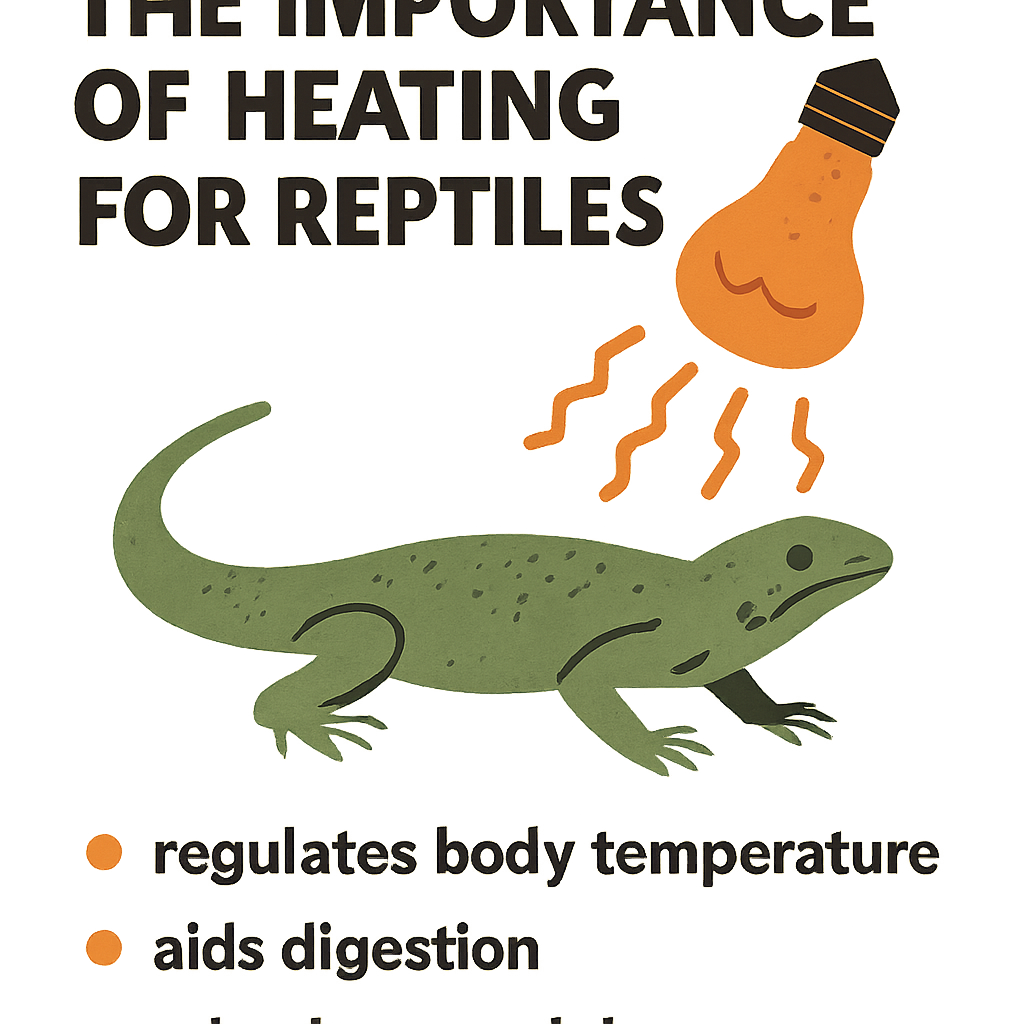
Infographic illustrating the importance of heating for reptiles

Understanding Temperature Gradients and Zones

Temperature gradients play an important role in a reptile’s habitat. These gradients let reptiles choose the warmth or coolness they need at any moment. It mimics their natural environment, providing options for them to regulate body heat.

Creating distinct temperature zones ensures a more dynamic habitat. For instance, having a warm basking area complements a cooler resting spot. This practice supports reptiles' instinctual behavior to thermoregulate efficiently.

To establish effective temperature gradients, consider the following tips:

  • Identify a basking area with focused heat.
  • Ensure a cool zone for respite.
  • Place hiding spots in both warm and cool areas.
  • Use thermometers to monitor each zone’s temperature.

Different species have specific preferences for these zones. Researching your pet’s natural habitat offers valuable insight. This helps in replicating their ideal living conditions accurately.

Regularly check each zone’s temperature. Use reliable equipment to adjust heat sources as needed. This vigilance guards against potential overheating or undercooling.

Diagram showing temperature gradients and zones in a reptile habitatby Georges Toiansky (https://ift.tt/GxZmXKg)

Overview of Reptile Heating Solutions

There are various heating solutions to accommodate the diverse needs of reptile species. Selecting the right one depends on your pet's natural habitat and specific heat requirements. From basking spots to gentle ground heat, each option offers unique benefits to ensure a comfortable environment for your scaly friend.

Different heating solutions cater to specific needs:

  • Reptile heat lamps: Simulate sunlight for basking areas.
  • Ceramic heat emitters: Provide constant warmth without light.
  • Under-tank heating pads: Deliver gentle heat from below.

Exploring these options helps tailor your setup to your pet's specific needs. Combining different solutions can enhance their living conditions and boost their overall health. Consider your reptile’s natural behaviors and habitat preferences when choosing your heating elements. This ensures you provide the best care possible, fostering a thriving environment where your reptile can flourish.

Reptile Heat Lamps: Basking in the Benefits

Reptile heat lamps are a popular choice for creating warm basking areas in terrariums. They offer a simple and effective way to replicate natural sunlight. Providing a basking spot is crucial for reptiles to thermoregulate, a process essential for their health.

Heat lamps not only warm their bodies but also boost their digestion and metabolic rates. These lamps emit both heat and light, mimicking the sun’s rays. It's akin to giving your reptile a mini sunbath each day!

Several types of heat lamps cater to various needs. Some provide a broad light spectrum, while others focus more on heat. Daylight bulbs are great for daytime heating, while nocturnal lamps ensure minimal light disruption at night.

When setting up heat lamps, consider your enclosure's size and layout. The distance between the lamp and the basking area is crucial for achieving the right temperature. Too close, and it can lead to burns or overheating.

Safety mustn't be overlooked when using heat lamps. Always secure them properly to prevent accidents. Use appropriate fixtures and check them regularly for wear or damage.

Here’s a quick checklist for selecting reptile heat lamps:

  • Determine your reptile’s basking needs.
  • Choose the right wattage for your enclosure.
  • Ensure compatibility with your setup's fixtures.

A reptile basking under a heat lampby Surya Teja (https://ift.tt/6zAyKL0)

Regular monitoring with a thermometer helps maintain appropriate temperatures. Adjust the height or wattage if the basking area is too hot or cold. Remember, providing a temperature gradient with a cooler side is vital for self-regulating reptiles.

By taking these steps and selecting the best heat lamps, you help create a warm, welcoming environment. A happy reptile basking in its habitat is truly a delightful sight!

Ceramic Heat Emitters: Reliable Nighttime Warmth

Ceramic heat emitters are a fantastic choice for reptile owners seeking reliable nighttime warmth. Unlike traditional heat lamps, ceramic emitters produce heat without any light. This makes them perfect for maintaining warmth while your reptile rests peacefully at night.

These emitters provide a consistent heat source, ideal for nocturnal reptiles needing a cozy environment. They attach easily to standard lamp fixtures, making them versatile for many setups. Ceramic emitters can effectively cover a broad area within the enclosure.

When using ceramic heat emitters, always ensure a safe setup to prevent burns or overheating. It is crucial to position the emitter where your pet cannot come into direct contact. This ensures the warmth benefits without the risk of injury.

A list of quick tips for using ceramic heat emitters:

  • Use a ceramic fixture to withstand high temperatures.
  • Keep the emitter away from combustible materials.
  • Regularly check it’s functioning correctly.

Ceramic heat emitters are a durable investment, often lasting longer than traditional bulbs. They’re perfect for owners who need a long-term, cost-effective heating solution. Additionally, because they don't emit light, they support natural day-night cycles.

Proper usage involves coupling the emitter with a thermostat to regulate temperature effectively. The thermostat helps maintain precise heat levels, preventing potential overheating. This combination ensures your pet experiences consistent warmth throughout the night.

Ceramic heat emitter in a reptile enclosureby pavan adepu (https://ift.tt/8G16qmw)

Ceramic heat emitters offer unique benefits, serving the needs of both you and your reptile. They assure a snug and safe environment, making them an invaluable addition to your reptile heating solutions. Through proper installation and regular checks, your pet can enjoy a warm and comfortable habitat effortlessly.

Under-Tank Heating Pads: Gentle Ground Heat

For reptiles that prefer basking in ground heat, under-tank heating pads are an excellent option. These pads provide gentle warmth from below, mimicking the sun-heated ground many reptiles thrive on. They're especially suitable for species like ball pythons and leopard geckos.

Installing under-tank heating pads is straightforward. Simply adhere the pad to the underside of the tank. Ensure you choose a pad size appropriate for your enclosure, typically covering one-third of the base. This setup helps establish the necessary temperature gradient in your reptile’s home.

The warmth from these pads encourages natural behaviors such as digestion, which requires belly heat. As reptiles absorb warmth through their bellies, this heating method effectively aids their metabolic processes and overall well-being.

Here are key points to remember when using under-tank heating pads:

  • Use a thermostat to prevent overheating.
  • Avoid placing thick substrate directly over the heat pad.
  • Regularly monitor temperatures with a thermometer.

Under-tank heating pad in useby Jue Huang (https://ift.tt/E1oGWRg)

Unlike overhead heating options, these pads do not disrupt the enclosure's visibility. This allows your pet to bask without any glaring light intrusions, keeping the environment calm and natural.

Regular maintenance is vital to ensure these pads perform optimally. Periodically check for wear and tear, as damaged pads may pose risks to your reptile. Safety should be your priority, ensuring cords are secure and undamaged.

Under-tank heating pads seamlessly blend into your reptile’s habitat, offering a natural warming sensation from below. When properly managed, they create a soothing environment tailored to your reptile’s specific needs. This gentleness and efficiency make them a favored choice among reptile enthusiasts seeking reliable heating solutions.

Deep Dive: Other Heating Options (Radiant Panels, Heat Tape, More)

Beyond the commonly known solutions, several innovative heating options exist. Radiant heat panels, heat tape, and more offer versatile solutions for reptile keepers. These options cater to various species and enclosure setups, expanding your heating toolkit.

Radiant heat panels serve as overhead heating units that emit consistent warmth across a broad area. They are excellent for large enclosures where broader warmth distribution is necessary. Unlike light-emitting options, radiant panels provide heat without disturbing the animal's day-night cycle.

Heat tape offers another discreet heating method. It can be wrapped around enclosure bases or shelves, providing targeted heat sources. Useful for maintaining warmth in specific areas, heat tape is perfect for DIY enthusiasts creating custom habitats.

Additional heating solutions to consider include:

  • Heat cables: Flexible and easy to install.
  • Infrared lights: Ideal for nocturnal species.
  • Multifunctional lamps: Combine heat and UVB in one fixture.

Different reptile heating optionsby Solstice Hannan (https://ift.tt/aV8GJnl)

These diverse heating solutions ensure that even the most specific reptile needs are met. By understanding the unique benefits of each option, you can craft an environment that’s perfectly suited for your reptile. The ability to adapt and customize is key to successful reptile care, making these innovative solutions invaluable. With a thoughtful approach, these alternatives can effectively complement traditional heating methods, enriching your reptile’s habitat.

Choosing the Right Heating Solution for Your Reptile

Choosing the right heating solution is a vital step in ensuring your reptile's health and happiness. Different species require different temperatures and heating techniques. Therefore, it's essential to research your specific reptile's habitat needs thoroughly.

Consider the reptile's natural environment when selecting a heating solution. Does your pet come from a desert, rainforest, or mountainous region? This background will guide you in replicating optimal conditions within your home. Understanding your reptile's origin offers valuable insights into the type and intensity of heat they require.

There are several factors to weigh when deciding on a heating solution:

  • Species-specific needs: Different reptiles have unique preferences.
  • Enclosure size: Larger spaces may need multiple heat sources.
  • Day-night cycles: Consider options that mimic natural environments.
  • Energy efficiency: Look for cost-saving but effective solutions.

Different reptiles in their habitatsby The New York Public Library (https://ift.tt/6gqGW8B)

Combining multiple heating solutions can enhance habitat realism and comfort for your reptile. It's often beneficial to integrate basking, ambient, and ground heat sources, tailoring the setup to your pet's specific needs. Seek advice from reptile specialists or veterinarians if needed, ensuring your approach prioritizes both efficiency and safety. With the right heating solution, you can create a cozy habitat where your reptile can thrive.

Setting Up Your Reptile’s Heating System: Step-by-Step

Setting up an effective heating system for your reptile isn't as daunting as it may seem. With a few thoughtful steps, you'll create a warm, inviting space for your pet. First, gather all necessary equipment: heat lamps, ceramic emitters, heating pads, and controls.

Start by positioning the main heat source, often a heat lamp, to create a basking area. Place it on one side of the enclosure, allowing a temperature gradient. This spot should mimic the sun's warmth, offering your reptile a place to absorb essential heat.

Next, install any secondary heating solutions, like under-tank heating pads. These pads offer ground heat for species that enjoy basking on a warm surface. Ensure they're safely attached to avoid any pet discomfort or hazards.

Here’s a quick checklist:

  • Position the heat lamp: Establish a basking area.
  • Add secondary heat sources: Consider ceramic emitters or heating pads.
  • Use thermostats and monitors: Regulate and observe temperatures.

Reptile heat lamp setup illustrationby Pedro Nogueira (https://ift.tt/467KrHs)

Finally, set up thermostats and thermometers to maintain accurate temperatures. Regular monitoring is essential, as reptiles can be sensitive to even slight changes. Adjust the setup as necessary, keeping your pet's comfort in mind. With everything in place, you'll provide a safe, pleasant environment your reptile can flourish in.

Thermostats, Thermometers, and Safety Essentials

Maintaining the right temperature is vital for your reptile’s well-being. Thermostats play a critical role here, as they help you control the heat output. This ensures your heating devices deliver consistent temperatures.

Thermometers are equally important, as they allow you to monitor temperature accuracy within the enclosure. Consider using digital thermometers for precise readings. Place them at different spots to ensure the right gradient is maintained.

Safety can't be overlooked when setting up your heating system. Ensure that all electrical components are properly installed and free from damages. Always keep electrical devices and wires away from water to prevent any risk of shocks or fires.

Here’s a short list of safety essentials:

  • Regularly check equipment: Ensure everything functions correctly.
  • Secure heat lamps and devices: Prevent accidental falls.
  • Avoid direct contact with heating elements: Prevent burns to your pet.

Illustration of a reptile thermometer and thermostatby Tuyen Vo (https://ift.tt/CZtE4ux)

With the right tools, you can provide a safe, regulated environment. Investing in quality thermostats and thermometers ensures your reptile thrives in a habitat that mimics their natural conditions.

Common Mistakes and How to Avoid Them

Setting up a reptile's habitat can be daunting for newcomers. One common mistake is inconsistent temperatures. This can lead to stress or health issues for your reptile. Ensure you maintain a proper temperature gradient with the help of thermostats and thermometers.

Another frequent error is overcrowding the habitat with equipment. This can limit your reptile's movement and comfort. Space the heating elements appropriately to allow ample room for activity and basking.

Avoid using incorrect heat sources for your reptile species. Research your pet's natural environment and choose heating solutions that mimic it closely. Here’s a brief list of mistakes to watch out for:

  • Inconsistent temperatures: Use thermostats to regulate.
  • Overcrowded setup: Leave ample space.
  • Wrong heating solution: Research species needs.

closeup photo of green and white chameleonby Ishant Mishra (https://ift.tt/wxqKJdM)

By staying informed and vigilant, you can create a healthy and comfortable habitat. Remember, a well-planned environment means a happy and thriving reptile friend.

Energy Efficiency and Cost-Saving Tips

Keeping your reptile warm doesn't have to break the bank. Energy-efficient solutions can help maintain comfort while saving you money. Consider investing in modern heating elements designed to use less power without compromising warmth.

Smart thermostats are a savvy choice for energy conservation. These devices adjust heating levels based on real-time data. This ensures your pet's habitat remains at optimal conditions without unnecessary energy usage.

Focus on insulation to prevent heat loss in your reptile's enclosure. This reduces the workload on heating devices and lowers energy costs. Here are a few more cost-saving tips:

  • Use timers: Automatically turn off heat lamps.
  • Opt for energy-efficient bulbs: LED or low-watt options save money.
  • Insulate the enclosure: Minimize heat loss, reducing power needs.

brown and black spotted lizardby Emma Steinhobel (https://ift.tt/a5W7unt)

By applying these strategies, you'll enjoy efficient heating solutions. You can keep your pet cozy while being kind to your wallet and the environment.

Maintenance and Troubleshooting

Regular maintenance ensures your reptile's heating system operates smoothly. Dust can accumulate on heat lamps and emitters, reducing their efficiency. Clean these components monthly to maintain optimal heat output and extend their life.

Sometimes, even the best systems can experience hiccups. Common issues include flickering lamps or uneven heating. If a problem arises, first check power connections and settings. Maintaining a simple troubleshooting routine can resolve minor issues quickly.

Keep an eye out for fluctuations in temperature or abnormal sounds from heating devices. Routine checks prevent small problems from becoming bigger concerns. Here are some essential steps for maintaining and troubleshooting your setup:

  • Inspect cords and plugs: Look for wear and damage.
  • Test thermostats regularly: Ensure accurate temperature readings.
  • Monitor for noise: Listen for unusual sounds or clicks.

Image of a reptile owner cleaning a heat lampby Annie Spratt (https://ift.tt/l2v3QXO)

By maintaining and addressing minor issues promptly, your reptile's heating system remains efficient, ensuring a cozy environment for your scaly friend.

Innovations in Reptile Heating: What’s New?

Reptile heating technologies have evolved significantly in recent years. These innovations offer safer and more efficient options for pet owners. Staying informed about these advancements is essential to providing optimal care for your reptile.

One exciting development is the emergence of smart thermostats. These devices allow remote control and monitoring through smartphone apps. This ensures that your reptile's habitat maintains precise temperatures even when you're not home. Such tech makes it easier than ever to care for your scaly friend.

Additionally, energy-efficient options are gaining traction. These solutions reduce electricity costs while maintaining ideal habitat temperatures. Some noteworthy innovations include:

  • Smart thermostats: Remote control and precise monitoring.
  • Energy-efficient heat lamps: Lower energy consumption.
  • Infrared panels: Distribute heat uniformly.

Image depicting a smart thermostat app controlling a reptile's habitat temperatureby Tom Krach (https://ift.tt/vIeq8CR)

By embracing these new technologies, you not only improve your reptile's living environment but also simplify your pet care routine. Keeping up with the latest advancements is a win-win for both you and your pet.

Frequently Asked Questions About Reptile Heating

New pet owners often have many questions about reptile heating solutions. Understanding these common concerns can make you more confident in providing the best care for your pet. Let's explore some frequent queries.

One important question is how to maintain the right temperature gradient in an enclosure. This involves creating warm and cool zones within your reptile's habitat. It ensures your pet can regulate its body temperature effectively.

Here are some frequently asked questions about reptile heating:

  • How do I choose the right heating device for my reptile?
  • What is the ideal temperature for my reptile species?
  • Do all reptiles need UVB lighting as well as heat?

Each reptile species has unique heating needs. Research and consultation with a specialist will provide tailored advice. Consistently checking your equipment and making necessary adjustments ensures your reptile thrives.

Conclusion: Creating a Cozy, Healthy Habitat

Crafting the perfect environment for your reptile is a rewarding journey. A well-heated habitat is key to your pet's happiness and health. Remember, understanding your reptile's natural climate is essential. It allows you to replicate conditions they are instinctively accustomed to.

Taking proactive steps towards effective reptile heating enhances your pet's well-being. Invest in reliable equipment and stay informed about best practices. This ensures a cozy, warm home for your scaly friend. Continuous learning and adaptation keep their habitat inviting and secure, reflecting your commitment to exceptional care.

Cozy reptile habitat setup


from Talis Us - Blog https://ift.tt/kjc9d0l

Are Femur Bones Safe for Dogs? Key Insights Every Owner Needs

As a dog owner, you might be tempted to treat your furry friend with a bone for chewing. But are femur bones safe for dogs? While bones can offer various benefits, such as dental health and entertainment, they can also pose significant risks. In this article, we'll explore the safety of femur bones for dogs and provide essential insights every pet owner should consider.

Understanding Femur Bones

Femur bones, or thigh bones, come from the upper leg of animals, typically larger livestock like cows. These bones are often available in various forms, including raw or cooked. Before deciding to give your dog a femur bone, it's essential to understand the specifics of bone safety and the unique properties of femur bones for dogs.

What Are the Characteristics of Femur Bones?

Femur bones are dense and can be larger than the standard bones that many dogs chew. Here are some important characteristics to consider:

  • Size: Femurs are typically large and may not suit all dog breeds. Small dogs might struggle to handle them properly.
  • Hardness: The density of femur bones can create a risk for dental injuries, including broken teeth.
  • Marrow: The marrow inside femur bones is a source of nutrition but can be calorie-dense.

Are Femur Bones Safe for Dogs?

So, are femur bones safe for dogs? The answer is nuanced. When served correctly, femur bones can provide certain benefits, but they also present risks that owners should carefully consider.

Benefits of Femur Bones for Dogs

Provided that the bone is raw and properly sized for the dog, femur bones can offer several benefits:

  • Nutritional value: The marrow inside femur bones is rich in fats and provides nutritional components that can benefit your dog's overall health.
  • Dental health: Chewing on harder bones can help clean teeth, preventing plaque build-up.
  • Mental stimulation: Chewing is a natural and instinctive behavior that can occupy dogs for extended periods.

Risks Associated with Femur Bones

Despite these benefits, it's important to recognize the potential health risks:

  • Choking hazards: If a piece breaks off, it may pose a choking risk. Always supervise your dog while chewing.
  • Dental injuries: The hardness of femur bones can lead to cracked or broken teeth.
  • Digestive blockage: If your dog swallows large pieces, it can cause blockages in the digestive tract.

Factors to Consider Before Giving Femur Bones to Dogs

To ensure a safer experience when giving femur bones to your dog, consider the following:

  • Size of the bone: The femur bone should be appropriate for your dog’s size—larger bones for larger dogs.
  • Raw vs. Cooked: Raw femur bones are generally safer than cooked ones. Cooking can make bones brittle, leading to splintering.
  • Supervision is key: Always supervise your dog when they are chewing on femur bones to catch any potential hazards immediately.

What Types of Bones Are Generally Safe for Dogs?

As a general rule, here are some types of bones you can consider that might be safer alternatives for your dog:

  • Raw bones: Always opt for raw bones over cooked ones for safety.
  • Meaty bones: Bones with some meat left on them can be enjoyable and nutritious.
  • Dental chews: Specifically formulated dental chews can promote oral health without the risks that bones carry.

Consult Your Vet

Before introducing femur bones or any bones into your dog’s diet, it's wise to consult with your veterinarian. They can provide tailored advice based on your dog's specific health needs, size, and chewing habits.

Conclusion

In summary, while femur bones can offer some advantages for your dog, they also come with several risks. Always consider the safety aspects and monitor your dog while they enjoy these treats. If you’re ever unsure about whether are femur bones safe for dogs, consulting with a veterinarian is your best bet for ensuring your dog’s health and safety.


from Talis Us - Blog https://ift.tt/w9ba2KN

The Ultimate Guide to Feeding Veggies to Your Bearded Dragon

As a proud bearded dragon owner, you know that providing your scaly friend with a balanced and nutritious diet is crucial for their overall health and well-being. One of the most important aspects of a bearded dragon's diet is the inclusion of fresh vegetables. But with so many options out there, it can be overwhelming to figure out which veggies are safe and suitable for your bearded dragon to enjoy on a daily basis.

Fear not, fellow reptile enthusiast! In this comprehensive guide, we'll dive deep into the world of bearded dragon-friendly veggies, exploring the best options, their nutritional benefits, and how to incorporate them into your pet's mealtime routine. Get ready to become a veggie-feeding pro and keep your bearded dragon happy, healthy, and thriving.

Understanding the Bearded Dragon's Dietary Needs

Bearded dragons are omnivores, which means they require a balanced diet consisting of both plant-based and animal-based foods. In the wild, their diet typically includes a variety of insects, greens, flowers, and even the occasional small rodent or bird. As responsible pet owners, it's our job to replicate this diverse and nutritious diet as closely as possible.

When it comes to the vegetable portion of their diet, bearded dragons have specific nutritional requirements that must be met. They need a variety of vitamins, minerals, and other essential nutrients to support their growth, immune system, and overall well-being. Failing to provide a balanced veggie-based diet can lead to health issues such as metabolic bone disease, vitamin deficiencies, and digestive problems.

The Best Veggies for Bearded Dragons

Now, let's dive into the exciting world of bearded dragon-approved veggies! Here are some of the top options that you can confidently incorporate into your pet's daily meals:

Leafy Greens

Leafy greens are the foundation of a bearded dragon's vegetable intake. They are packed with essential vitamins, minerals, and fiber that support overall health. Some of the best leafy greens for bearded dragons include:

  • Kale
  • Collard greens
  • Mustard greens
  • Dandelion greens
  • Turnip greens
  • Arugula

These greens are not only nutrient-dense but also low in oxalates, which can interfere with calcium absorption if consumed in excess.

Squash and Zucchini

Squash and zucchini are excellent sources of vitamins A and C, as well as fiber. They are soft and easy for bearded dragons to chew and digest. Some great options include:

  • Yellow squash
  • Butternut squash
  • Acorn squash
  • Zucchini

Be sure to remove any seeds or tough skins before serving, as these can pose a choking hazard.

Bell Peppers

Bell peppers are a vibrant and crunchy addition to a bearded dragon's diet. They are rich in vitamins A and C, as well as antioxidants. Opt for a variety of colors, such as red, yellow, and orange, to provide a range of nutrients.

Carrots

Carrots are a fantastic source of beta-carotene, which is converted into vitamin A in the body. They also contain fiber and other essential vitamins. Grate or finely chop carrots to make them easier for your bearded dragon to eat.

Cucumber

Cucumber is a hydrating and low-calorie vegetable that can help keep your bearded dragon well-hydrated. It's also a good source of vitamins K and C.

Broccoli

Broccoli is a nutrient-dense vegetable that provides a range of vitamins, minerals, and antioxidants. However, it's important to feed broccoli in moderation, as it can be high in oxalates.

Peas and Green Beans

These crunchy veggies are a great source of fiber, vitamins, and minerals. Just be sure to remove any tough ends or strings before serving.

Herbs

Herbs like basil, parsley, and cilantro can add flavor and additional nutrients to your bearded dragon's diet. Introduce them gradually and in small amounts.

Feeding Frequency and Portion Sizes

Now that you know the best veggies for your bearded dragon, it's important to understand how much and how often to feed them. As a general rule, vegetables should make up about 80% of a bearded dragon's diet, with the remaining 20% consisting of insects and other protein sources.

Juvenile bearded dragons (under 18 months) should be fed vegetables twice a day, while adults can be fed once a day. The portion size should be roughly the size of the space between your bearded dragon's eyes. Adjust the amount based on your individual pet's appetite and body condition.

It's also crucial to offer a variety of veggies at each meal to ensure your bearded dragon is getting a well-rounded nutritional profile. Rotate through the different options mentioned above, and consider mixing and matching to create colorful and appealing salads.

Preparing and Serving Veggies

When it comes to preparing veggies for your bearded dragon, it's important to follow a few simple guidelines:

  1. Wash all produce thoroughly to remove any pesticides or contaminants.
  2. Chop, grate, or finely dice the veggies to make them easier for your bearded dragon to eat.
  3. Avoid cooking the veggies, as this can reduce their nutritional value. Serve them raw or lightly steamed.
  4. Mix the veggies with a small amount of calcium and vitamin supplements to ensure your bearded dragon is getting all the necessary nutrients.
  5. Offer the veggie salad in a shallow dish or spread it out on a flat surface to encourage natural foraging behaviors.

Remember, it may take some time for your bearded dragon to get used to new foods, so be patient and persistent. Gradually introduce new veggies and monitor your pet's response to ensure they are enjoying and thriving on their veggie-rich diet.

Troubleshooting and Common Concerns

As with any aspect of pet care, there may be some challenges or concerns that arise when it comes to feeding veggies to your bearded dragon. Here are a few common issues and how to address them:

Picky Eaters

If your bearded dragon seems hesitant to try new veggies, try mixing them with their favorite foods or offering them in a different presentation. You can also try lightly steaming the veggies to soften them or adding a sprinkle of calcium powder to make them more enticing.

Digestive Issues

If your bearded dragon experiences digestive problems, such as diarrhea or constipation, it's important to evaluate their diet and make adjustments as needed. Ensure they are getting the right balance of fiber, moisture, and nutrients. Consult with your veterinarian if the issues persist.

Vitamin and Mineral Imbalances

Bearded dragons have specific nutritional requirements, and an imbalance in their diet can lead to health problems. Be sure to supplement their veggie-based meals with appropriate calcium and vitamin supplements to prevent issues like metabolic bone disease.

Choking Hazards

Always cut or chop the veggies into bite-sized pieces to prevent choking. Avoid feeding your bearded dragon tough or stringy parts of the vegetables, as these can pose a safety risk.

By addressing these common concerns and following best practices for feeding veggies, you can ensure your bearded dragon is receiving a balanced and nutritious diet that supports their overall health and well-being.

Conclusion

Feeding your bearded dragon a diverse and veggie-rich diet is essential for their long-term health and happiness. By incorporating the best vegetable options, understanding proper feeding frequencies and portion sizes, and troubleshooting any challenges that arise, you can provide your scaly friend with the nourishment they need to thrive.

Remember, every bearded dragon is unique, so it may take some trial and error to find the perfect veggie combination that your pet loves. Stay patient, observant, and willing to adjust as needed. With this comprehensive guide in your arsenal, you're well on your way to becoming a veggie-feeding pro and keeping your bearded dragon happy, healthy, and thriving.

So, what are you waiting for? Start exploring the world of bearded dragon-approved veggies and watch your pet's health and happiness soar!


from Talis Us - Blog https://ift.tt/eO8ZVBv

Can Bearded Dragons Eat Bananas? Insights for Pet Owners

Can Bearded Dragons Eat Bananas?

Introduction

Bearded dragons are popular pets known for their friendly nature and unique appearance. Caring for them involves more than just providing a warm environment and a proper habitat; it also requires a balanced diet. A varied diet is crucial for their overall health, well-being, and happiness. One common question among bearded dragon owners is, "Can bearded dragons eat bananas?" Let's explore this topic in detail.

Understanding Bearded Dragon Diet

A proper bearded dragon diet comprises a mix of vegetables, fruits, and protein sources like insects. It's essential to provide a variety of foods to ensure they get all the necessary nutrients. Different stages of a bearded dragon's life may also require specific adjustments in their diet. For example, younger dragons need more protein than adults. This variety keeps their appetite up and helps prevent nutritional deficiencies, leading to long-term health issues.

Nutritional Value of Bananas

Bananas are often considered a tasty treat for humans, but they also have nutritional value for reptiles. They are rich in several essential vitamins and minerals, including Vitamin C, Vitamin B6, and potassium. These nutrients can contribute positively to a bearded dragon's diet in moderation.

Benefits of bananas for reptiles Bananas are not only loaded with vitamins but also have a sweetness that many reptiles enjoy. This palatability makes bananas an appealing option. However, while bananas do have nutritional benefits, they should be given sparingly, as they are higher in sugar than many other fruits.

Can Bearded Dragons Safely Eat Bananas?

While bearded dragons can eat bananas, there are several factors to consider before adding this fruit to their diet.

Proper portion sizes It's best to feed bananas in small amounts. A slice or two is usually sufficient, and it's essential to ensure it doesn’t exceed 10% of their total fruit intake.

Frequency of banana consumption Due to their high sugar content, bananas shouldn't be a daily treat. It is advisable to offer bananas no more than once a week to keep your dragon healthy and happy.

Potential risks associated with bananas Although bananas provide certain vitamins, their sugar content can lead to weight gain or other health problems if overfed. Regularly feeding high-sugar foods can negatively impact a bearded dragon's overall health. Always monitor their weight and health, and adjust their diet accordingly.

Other Fruits for Bearded Dragons

If you're looking for alternatives to bananas, there are several safe fruits for bearded dragons to enjoy. Some of these include:

  • Strawberries
  • Blueberries
  • Raspberries
  • Melon
  • Peaches
  • Apples

Incorporating a variety of fruits, like those listed above, can enhance a bearded dragon's diet. Not only do fruits add vital nutrients, but they also keep them interested in their food.

How to prepare fruits for feeding Always wash fruits thoroughly and remove any seeds or pits. Cut them into small, digestible pieces, which makes it easier for your bearded dragon to eat.

Vegetables for Bearded Dragons

Vegetables play a critical role in a bearded dragon's diet. They provide essential fiber, vitamins, and minerals necessary for health.

Importance of leafy greens Leafy greens should form a substantial part of their daily intake. Selecting the right vegetables helps ensure they receive adequate nutrition. Recommended options include:

  • Collard greens
  • Mustard greens
  • Kale
  • Dandelion greens

Frequency of vegetable feeding Bearded dragons should be offered a variety of vegetables daily. It’s essential to mix things up, ensuring they benefit from diverse nutrients and avoid dietary boredom.

Treats for Reptiles

Treats can be a great way to enhance the diet of your bearded dragon. However, it's crucial to choose wisely. While fruits, including bananas, can be offered as treats, consider other options too.

Exploring suitable treats Commercially prepared reptile treats can be good, but always check for quality ingredients. Fruits can be seen as treats and can be useful for training or bonding with your pet.

Comparison of fruits vs. commercial treats Natural fruits are often healthier and more nutritious than many processed alternatives. Always ensure that any treat you choose aligns with a balanced diet.

Bearded Dragon Health and Nutrition

Proper nutrition is vital for a healthy bearded dragon. A balanced diet contributes to their energy levels, growth, and overall health.

Signs of a healthy vs. unhealthy bearded dragon A healthy bearded dragon will have bright eyes, a full tail, and maintain a healthy weight. In contrast, signs of poor nutrition may include lethargy, weight loss, or changes in stool consistency.

Advice on consulting a vet Consulting a veterinarian specializing in reptiles is essential if you have any concerns about your bearded dragon’s diet. They can provide tailored advice and help you understand the specific dietary needs of your dragon based on their age and health condition.

Conclusion

In summary, while bananas can be a delightful treat for bearded dragons, moderation is key. Offering a diverse, balanced diet that includes various fruits and vegetables can contribute to better health and a happy pet. Monitor your dragon’s health closely and consult with a veterinarian when in doubt. A well-fed bearded dragon is a happy bearded dragon!


from Talis Us - Blog https://ift.tt/uKnhB1l