Understanding the Cane Corso: A Comprehensive Guide

The Cane Corso is a majestic breed with a rich history and a loyal heart. Known for their strength and intelligence, these dogs are both protective and loving.

If you're considering adding a Cane Corso to your family, you're in for a rewarding experience. However, it's important to understand the responsibilities that come with owning such a powerful breed.

This comprehensive guide will walk you through everything you need to know about Cane Corsos. From their origins and physical traits to their temperament and care needs, we've got you covered.

We'll also explore the costs associated with owning a Cane Corso, including the price of puppies and ongoing care expenses.

Training and socialization are key to raising a well-behaved Cane Corso, and we'll provide tips to help you succeed.

By the end of this guide, you'll have a thorough understanding of what it takes to live happily with a Cane Corso.
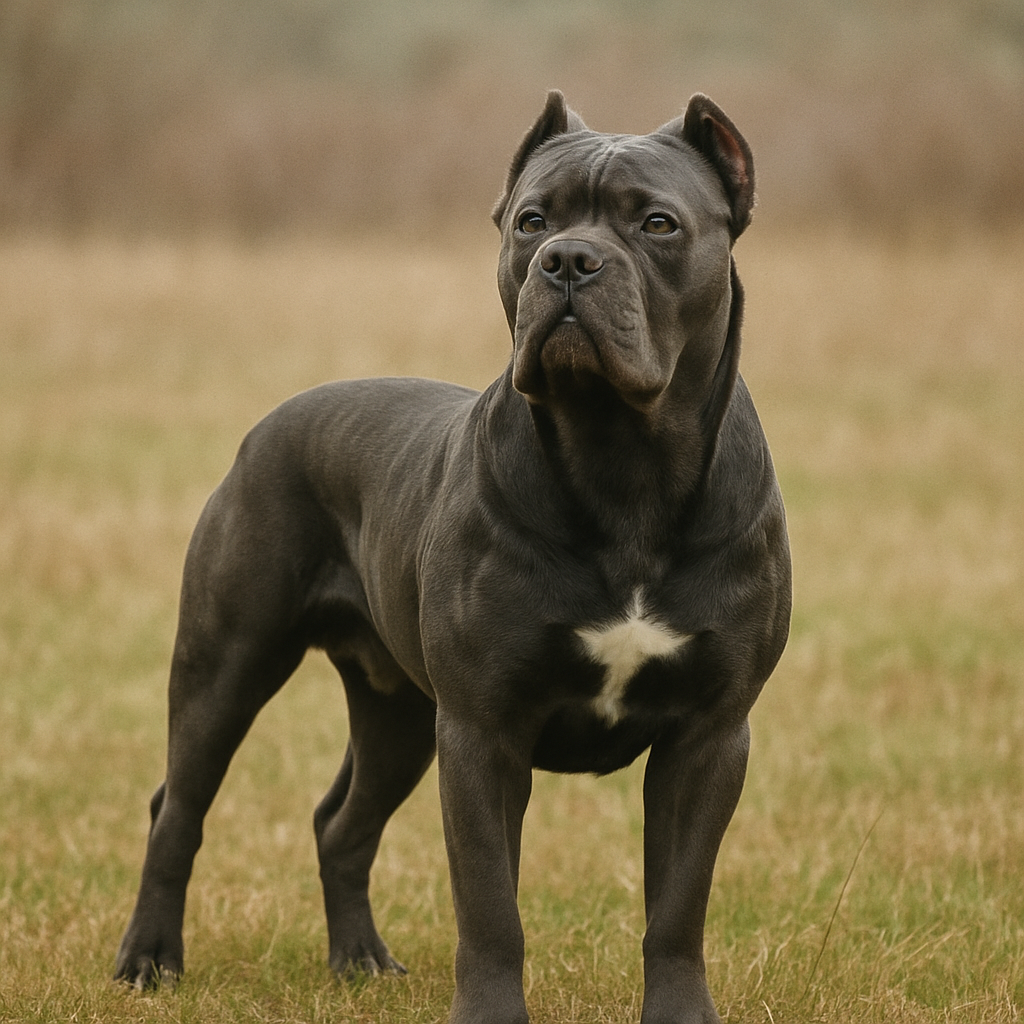
A majestic Cane Corso standing proudly in a field

The Cane Corso Breed: Origins and History

The Cane Corso has a storied history dating back to ancient Rome. This impressive breed was initially developed to guard property and hunt game. Their intelligence and power made them valuable protectors and hunters.

Throughout the centuries, the Cane Corso evolved but retained its core traits. During the late 20th century, a revival of the breed began in Italy. This sparked global interest and led to their recognition by major kennel clubs.

The Cane Corso's history can be summarized as follows:

  • Ancient Rome: Used as guard dogs and hunters.
  • 20th Century: Breed revival in Italy.
  • Modern Times: Recognition by international kennel clubs, including the AKC.

Their journey from ancient guardians to today’s loyal companions highlights their adaptability. Despite changes in their role, they’ve always remained fiercely devoted to their duties.

Understanding this breed’s rich history provides insights into their nature. Their past as fearless protectors influences their instincts and behavior today.
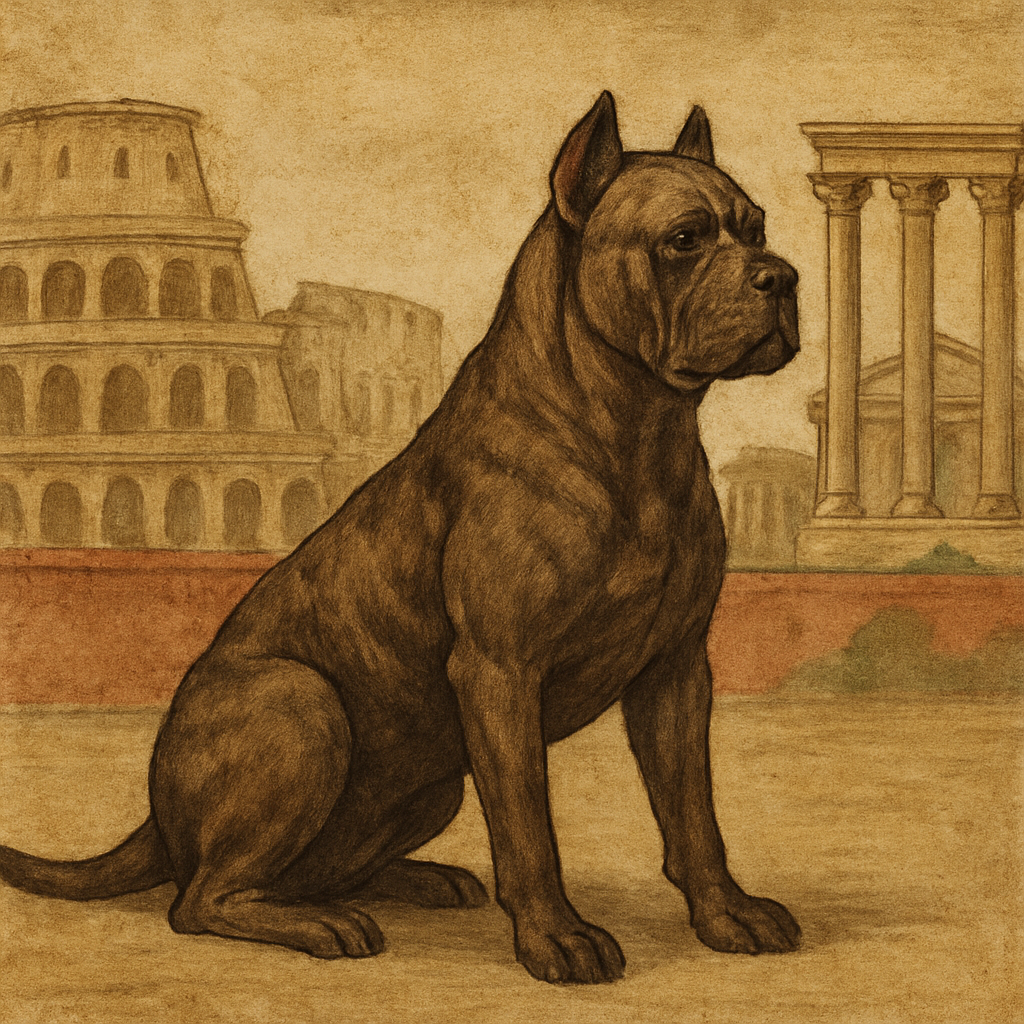
Historical depiction of a Cane Corso in ancient Rome

Physical Characteristics and Appearance

The Cane Corso is a striking example of canine strength and elegance. With their muscular build and confident stance, they command attention. Their presence is unmistakable, yet they exhibit grace and agility.

Their strong body is complemented by a wide chest and powerful limbs. These features enable the breed to move swiftly and with purpose. Despite their size, Cane Corsos are remarkably athletic.

Cane Corsos come in various colors, each stunning in its own right. Their short coat lies sleek against their skin, emphasizing their muscular form. Minimal grooming is required, but regular brushing can reduce shedding.

Distinctive features include:

  • Size: Large and powerful, weighing 88–110 pounds.
  • Coat: Short and dense, in a variety of colors like black, gray, and fawn.
  • Head: Broad and imposing, with expressive eyes.

These attributes are central to the breed’s majestic appearance. Their physical traits are not only aesthetically pleasing but also functional.

a large black dog standing on top of a leaf covered groundby Cassien Jobic (https://ift.tt/sunbqUL)

Cane Corso Temperament and Personality

The Cane Corso is a breed known for its steadfast loyalty and protective nature. These dogs form profound bonds with their families and are unwavering in their devotion. They are often described as confident and intelligent.

Understanding their temperament helps in building a harmonious relationship. Cane Corsos are naturally wary of strangers but are not aggressive without cause. Socialization from a young age can refine their reactions to new people and situations.

Despite their size and strength, they possess a gentle disposition toward those they trust. This makes them excellent companions in family settings. Their protective instincts extend to children and other household members, ensuring a safe and secure environment.

Key aspects of Cane Corso temperament include:

  • Loyal and Protective: They fiercely guard their loved ones.
  • Intelligent: Eager to learn and quick to pick up commands.
  • Confident: Naturally poised, not easily intimidated.

It's vital to foster these traits through patient and consistent training. With proper guidance, they become balanced and affectionate members of any household.

a black and white dog standing on top of a grass covered fieldby wang binghua (https://ift.tt/ZR1La7J)

Is a Cane Corso Right for You?

Before welcoming a Cane Corso into your home, consider their unique characteristics. They require an owner who can provide firm leadership and consistency. This breed thrives on attention and does not do well in isolation.

Cane Corsos need ample space to move and play. A home with a secure yard is ideal to accommodate their energy and size. They do best with families who can engage them mentally and physically.

Owners should be prepared for regular training sessions. The time commitment is crucial for their development into well-adjusted adults. If you have small children or other pets, early socialization is essential.

Considerations for prospective owners include:

  • Space Needs: Requires ample room to roam.
  • Training Commitment: Consistent and firm guidance is vital.
  • Socialization: Important to introduce them to diverse environments.

Cane Corso Puppies: What to Expect

Welcoming Cane Corso puppies into your home is an exciting journey. These playful pups are known for their curiosity and energy. They're also notably intelligent, which aids in training, but can lead to mischief if bored.

From a young age, socialization is crucial. Introducing them to various people, pets, and experiences builds confidence. This exposure helps prevent behavioral issues later on. A well-socialized puppy is less likely to develop fear or aggression.

Puppies need a structured routine. Consistent meal times and bathroom breaks help them feel secure. This regularity is vital for housebreaking and overall development.

Because they grow rapidly, their diet must support their development. Nutrient-rich food is critical for bone and muscle health. Ensuring they have the right nutrition sets the stage for a healthy adulthood.

Expect to spend significant time on training. Start with basic commands and gradually increase complexity. Patience and consistency are key in guiding them to become well-mannered dogs.

Key Considerations for Cane Corso Puppies:

  • Socialization: Early exposure to people and environments.
  • Routine: Structured schedules for meals and potty breaks.
  • Nutrition: A diet that supports their rapid growth.

Curious Cane Corso puppy playing with toysby Caleb Wright (https://ift.tt/cJeGD6F)

Cane Corso Price: What Goes Into the Cost?

The Cane Corso price varies significantly due to multiple factors. Prices often range from $1,000 to $4,000, reflecting breeder reputation and dog pedigree. Investment in a reputable source ensures better health and temperament.

Breeders factor in costs for health screenings, vaccinations, and early training. These expenses contribute to the initial price tag. Puppies from lineages with show history or accolades might fetch higher prices.

Geographical location can impact costs too. Urban areas generally host pricier breeders compared to rural settings. Regardless of cost, ensure you're informed about the breeder and puppy's background.

Factors Influencing Cane Corso Price:

  • Breeder Reputation
  • Pedigree Lineage
  • Health Screenings and Vaccinations
  • Geographical Location

A litter of Cane Corso puppies, varied colorsby John Engeln (https://ift.tt/lWyTnc5)

Essential Cane Corso Care

Caring for a Cane Corso requires dedication and understanding of their unique needs. Providing them with a balanced environment is key. Their care routine should include diet, grooming, and exercise.

Regular veterinary visits play a vital role in maintaining their health. These check-ups can help catch potential issues early. Ensure vaccinations and preventive treatments are up-to-date.

Creating a safe living space is essential for this breed. They thrive when they feel secure and part of the family. Proper fencing and secure areas prevent accidents and escape.

Mental stimulation is crucial for Cane Corsos. Engaging their minds prevents boredom and destructive behavior. Use toys and puzzles to keep them entertained.

Cane Corso Care Checklist:

  • Regular Vet Check-Ups
  • Secure Living Environment
  • Mental Stimulation and Toys
  • Socialization Opportunities

A happy Cane Corso being petted by its ownerby Anh Vy (https://ift.tt/cMeu3KR)

Diet and Nutrition

A proper diet keeps a Cane Corso healthy and active. Their meals should be rich in protein to support muscle growth. High-quality dog food that matches their size and activity level is crucial.

Portions should be controlled to prevent obesity. Extra weight can exacerbate health problems like hip dysplasia. Joint supplements and omega-3 fatty acids benefit their coat and joints.

Nutritional Essentials:

  • High Protein Content
  • Joint Supplements
  • Controlled Portions

Grooming and Hygiene

Even with their short coats, Cane Corsos require regular grooming to look their best. Brush them weekly to remove loose hair and minimize shedding. This simple grooming keeps their coat shiny and healthy.

Baths should be occasional to keep their skin healthy. Regular ear checks and teeth cleaning are crucial as well. Dental hygiene prevents oral health problems down the line.

Their nails need regular trimming to prevent cracking or injury. Long nails can cause discomfort or alter their walking posture. Grooming is a great time to bond and check for any skin issues or abnormalities.

Grooming Essentials:

  • Weekly Brushing
  • Regular Nail Trimming
  • Occasional Bathing

a black and white dog standing on a gravel roadby Sahand Hoseini (https://ift.tt/pFUJCgY)

Exercise and Activity Needs

Cane Corsos thrive on regular exercise to maintain their energy levels. Daily walks and play sessions keep them physically fit. Without enough exercise, they can become bored and restless.

Activities that challenge their minds and bodies are best. Engage them in interactive games, training, or agility exercises. Consistent exercise routines also help manage their weight and health.

Be mindful of extreme temperatures during their exercise sessions. Cane Corsos can struggle in very hot or cold weather. Provide access to water and shade to keep them comfortable.

Exercise Essentials:

  • Daily Walks and Playtime
  • Interactive Games
  • Temperature Considerations

a dog sitting on a couch in front of a windowby Bechir Kaddech (https://ift.tt/KslIaT2)

Cane Corso Training: Building a Well-Behaved Companion

Training a Cane Corso requires patience and consistency. Start early to help them develop good habits. Early training establishes boundaries and expectations.

Positive reinforcement works best with this intelligent breed. Reward their good behavior with treats or praise. Consistent rewards encourage them to learn quickly and effectively.

Socialization is a key part of Cane Corso training. Expose them to different environments, people, and animals. This prevents aggression and fearfulness later on.

Obedience training is essential for managing their strong-willed nature. Teaching basic commands like "sit," "stay," and "come" is crucial. Obedience training ensures their safety and makes them enjoyable companions.

Training sessions should be short and engaging. Regular, but brief sessions prevent them from becoming bored or stubborn. A consistent routine is important in helping them understand what's expected.

Cane Corso Training Tips:

  • Start Training Early
  • Use Positive Reinforcement
  • Focus on Socialization
  • Teach Basic Commands

A Cane Corso puppy learning to sit during trainingby Fadhil Abhimantra (https://ift.tt/1EuzpMU)

Cane Corso Health: Common Issues and Prevention

The Cane Corso is generally a healthy breed, but they are prone to certain health conditions. Awareness and prevention are key to keeping them healthy. Regular veterinary check-ups are essential to catching issues early.

One common concern is hip dysplasia, a joint disorder that can cause pain. Maintaining a healthy weight through diet and exercise can help alleviate stress on their joints. Consult your vet for joint supplements if needed.

Bloat, a serious stomach condition, is another risk for this breed. Prevent bloat by feeding smaller, more frequent meals. Avoid heavy activity immediately after eating to lower the risk of this dangerous condition.

Dental health is another aspect often overlooked. Regular teeth brushing and dental treats can prevent oral health problems. This, along with proper nutrition, plays a crucial role in their overall well-being.

Frequent health monitoring and preventive care can minimize these issues. Cane Corsos, when cared for properly, can enjoy a long and active life.

Common Health Concerns:

  • Hip Dysplasia
  • Bloat
  • Dental Issues

a large black dog with its tongue outby Muhammad Talha (https://ift.tt/iBbw2ZL)

Living with a Cane Corso: Family, Children, and Other Pets

Living with a Cane Corso is a rewarding experience for those who appreciate their protective nature. These dogs are known for their strong bond with family members. They thrive in environments where they are included in daily life.

Cane Corsos are generally good with children but require supervision, especially with young kids. Teach children how to interact respectfully with the dog. This ensures a safe and harmonious household.

Socializing your Cane Corso with other pets early on is vital. They can coexist peacefully with other animals when properly introduced. Monitoring initial interactions helps prevent misunderstandings.

Patience and guidance are key when integrating a Cane Corso into your home. These dogs value routine and clear expectations.

Living with a Cane Corso:

  • Family-oriented and protective
  • Good with respectful children
  • Can coexist with other pets if socialized

a black and white dog standing on top of a lush green fieldby Quan Jing (https://ift.tt/C6JSNGr)

Frequently Asked Questions About Cane Corsos

Cane Corsos often spark curiosity among potential pet owners. Let's address some common questions about this remarkable breed.

First, many wonder about the Cane Corso's adaptability to apartment living. While possible, it's challenging due to their size and energy. They thrive best in homes with yards.

Another question concerns their shedding. Cane Corsos have short coats that shed moderately year-round. Regular grooming helps manage this.

Key Questions:

  • Are Cane Corsos good for apartments?
  • How much do they shed?
  • Are they easy to train?

Conclusion: Embracing Life with a Cane Corso

Owning a Cane Corso is a rewarding experience. Their loyalty and protective nature make them cherished companions. However, understanding their needs ensures a harmonious relationship.

Commitment to their well-being, training, and socialization creates a bond lasting for years. With proper care, your Cane Corso will be a valued family member, bringing joy and security to your home.


from Talis Us - Blog https://ift.tt/jtlyEJ2
Stylish Doggie Clothing for Every Season

Welcome to the world of doggie clothing, where style meets practicality! Dressing your furry friend is more than just a fashion statement. It’s about comfort, protection, and fun.

Doggie clothing has evolved into a vibrant industry. From dog costumes to everyday pet fashion, there’s something for every pup. Whether it’s a cozy sweater for winter or a breezy outfit for summer, dog apparel caters to all seasons.

New pet owners often wonder about the benefits of pet clothing. It’s not just about looking cute. Dog wear can protect against harsh weather and allergens. Plus, it’s a great way to express your pet’s personality.

Choosing the right dog apparel involves considering fit, comfort, and style. With so many options, it’s easy to find the perfect outfit for your pup.

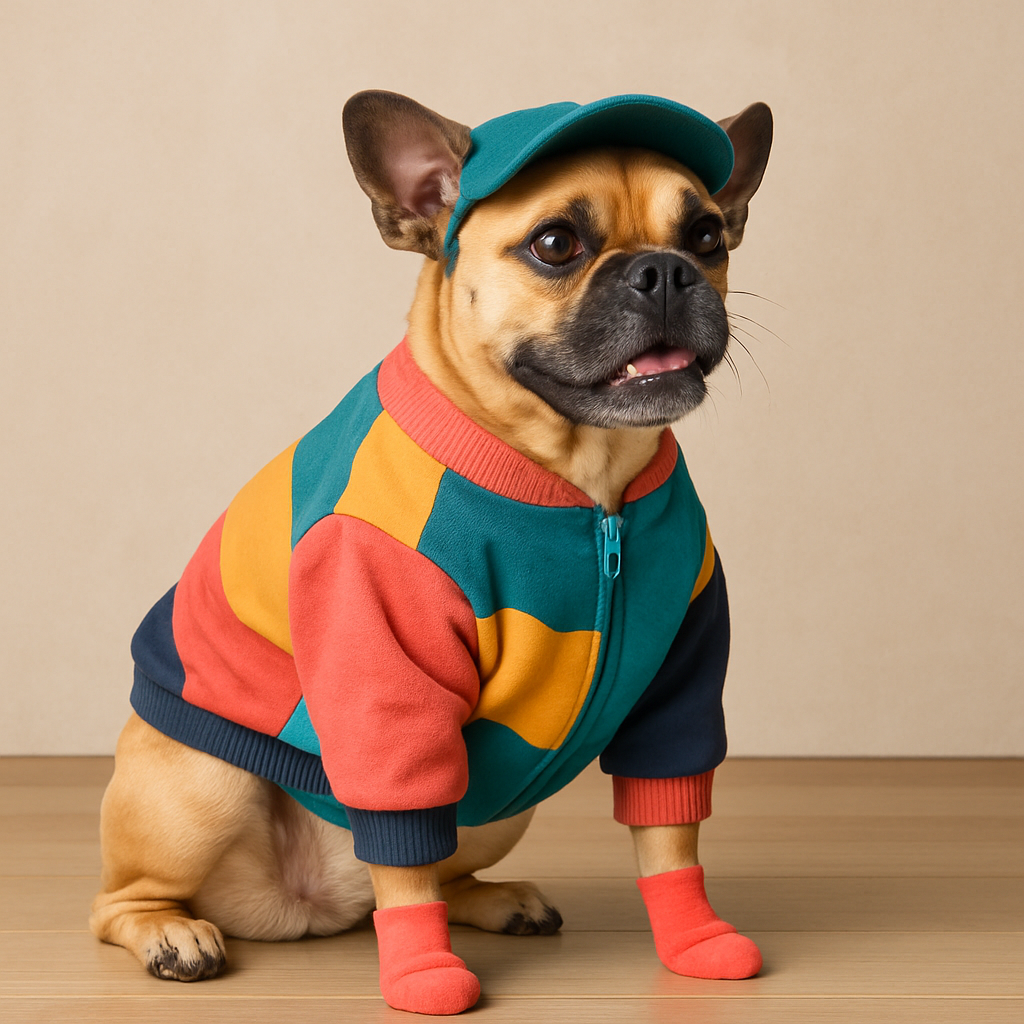
A stylish dog wearing a colorful outfit, showcasing doggie clothing options

Join us as we explore the exciting world of doggie clothing. Discover how to keep your pet stylish and comfortable all year round.

Why Dress Your Dog? The Benefits of Doggie Clothing

You may be wondering why doggie clothing is important. The benefits go beyond aesthetics. Clothes can provide protection and ensure your dog's well-being.

Dog apparel shields against weather conditions. Jackets and sweaters keep your dog warm in winter, while raincoats help on damp days. In summer, breathable fabrics prevent overheating while protecting from UV rays.

Here are key benefits of dressing your pup:

  • Protection from harsh weather and elements
  • Helps control shedding and allergens
  • Reduces skin irritants for sensitive dogs

Dog in a stylish raincoat on a rainy day

For sensitive dogs, certain fabrics can shield against allergens. This makes a big difference for dogs with skin conditions. Clothing can also be a barrier against bugs and pests like ticks.

Moreover, dog wear supports bonding. Dressing your dog can be a fun, shared experience. Pet clothing also highlights your dog’s unique style, turning heads wherever you go.

Seasonal Dog Apparel: What Your Pup Needs All Year Round

Keeping your dog stylish throughout the year is fun and practical. Each season demands different attire, ensuring comfort and protection. Whether it's lightweight fabrics or insulated layers, choosing the right clothing is key.

In spring, fresh breathable designs help transition your pup from the cold. Materials like cotton allow air circulation.

As summer hits, lighter options prevent overheating. Breathable gear is essential to keep them comfortable and cool.

Fall welcomes cozier options. Layers come into play as temperatures drop, preparing your dog for the winter chill.

Winter requires the warmest gear. Insulation becomes vital, especially for short-haired or small breeds.

Here’s a seasonal apparel checklist:

  • Spring: Light jackets, breathable shirts
  • Summer: Cooling vests, UV-protective shirts
  • Fall: Layered sweaters, water-resistant gear
  • Winter: Insulated jackets, cozy sweaters

Dogs in seasonal clothing, representing each seasonby Viktorija Stankevic (https://ift.tt/kpuWK0y)

Always consider your dog's specific needs. Weather conditions in your area play a big role. Additionally, some pups are more sensitive to temperature changes. Stay alert to your dog's comfort level during each season.

Finding the right dog wear promotes their health. This ensures they're ready to tackle nature's challenges head-on.

Spring Styles: Fresh Looks for Warmer Days

Spring is the time for renewal and fresh beginnings. It’s when lighter, breezier styles come into play for your pup. Embrace vibrant, fun designs that celebrate the changing season.

For spring, choose lightweight jackets. They offer protection from sudden showers or chilly breezes. Opt for breathable materials to ensure comfort.

Here are spring must-haves:

  • Light windbreakers
  • Floral and cheerful-patterned shirts
  • Waterproof raincoats

Dog wearing a light floral spring jacketby Sharon Yang (https://ift.tt/inECOAq)

Sprucing up your dog’s wardrobe is enjoyable. Vibrant colors, lively patterns bring joy and whimsy. Make each outing an opportunity to showcase fun, spring-inspired looks.

Ease of movement is crucial. Pick items that won't hinder playtime. Dogs should feel free to frolic and explore without restrictions.

Summer Essentials: Keeping Cool and Stylish

Summer demands special attention to keep your furry friend cool. It’s crucial to dress them in light, breathable fabrics.

Choose garments designed to deflect harmful UV rays. These protect your dog's skin during sunny adventures.

Consider these summer essentials:

  • Lightweight cotton shirts
  • Cooling vests
  • UV-protective hats

Dog in a UV-protective hat and cooling vestby Sarah Sheedy (https://ift.tt/myXzcRt)

Look for moisture-wicking options. This aids in reducing heat buildup, enhancing comfort on hot days.

Hydration is equally important. Always pack water for outings, especially in scorching heat. Pair stylish accessories with functional wear to complete the summer look.

Be vigilant for signs of overheating. Panting or drooling may indicate discomfort. Adjust their attire accordingly.

Fall Fashion: Cozy Layers and Fun Accessories

Fall beckons with a palette of rich hues. It's perfect for layered looks and warmth on cooler days.

Versatile attire prepares your pup for crisp autumn air. Mix and match cozy garments as temperatures fluctuate.

Essentials for the fall season:

  • Layered sweaters
  • Lightweight hoodies
  • Reflective bandanas for shorter daylight hours

Dog wearing a stylish sweater and bandanaby Joshua Fernandez (https://ift.tt/Y4dAjux)

Accessories can also play a role. Adding hats, scarves gives personality and extra warmth. Weatherproof garments come in handy for unexpected showers.

Consider reflective options. Ensure visibility during early morning or evening walks. This enhances safety as daylight hours shorten.

Texture variety adds charm. Experiment with fabrics like knits or fleece.

Winter Warmth: Jackets, Sweaters, and More

Winter requires robust gear. Your dog needs to stay warm against cold, biting winds.

Insulated jackets provide necessary warmth. Look for ones with a water-resistant exterior for snowy conditions.

Winter staples include:

  • Thick, insulated jackets
  • Cozy fleece sweaters
  • Booties for snow protection

Dog wearing an insulated jacket and booties in the snowby Chris Benson (https://ift.tt/tO8Xv1f)

Consider your dog’s size and breed. Small or short-haired breeds need extra warmth. Ensure their comfort and mobility aren't compromised.

Booties safeguard paws. They’re crucial against icy terrain, preventing injury. Ensure they fit well and offer secure traction.

Layering is effective for extreme cold. Warm clothes should fit snugly but not restrict movement. Aim for balance and function in winter fashion choices.

Choosing the Right Dog Clothing: Fit, Comfort, and Style

Finding the right fit for your dog ensures comfort and style. Poorly fitting clothes can cause irritation or restrict movement. Proper measurement is key to selecting the perfect size.

Consider these factors when choosing dog clothing:

  • Size and fit: Measure around the chest, neck, and back length.
  • Material: Look for soft, breathable, and hypoallergenic fabrics.
  • Ease of dressing: Opt for simple designs that are easy to put on and take off.

Pet owner measuring a dog's body for clothingby Firosnv. Photography (https://ift.tt/sGgFfv5)

The comfort of your dog always comes first. Avoid clothes that are too tight or loose. A comfortable fit allows your pet to move freely and happily.

Balance style and practicality by considering your dog's unique needs. Reflect on their activity level and personality when picking styles.

Keep these style tips in mind:

  • Bold colors: Showcase their personality.
  • Functional features: Seek clothes with pockets or safety elements.
  • Personalization: Add name tags or custom prints.

Adjustability matters, especially for growing dogs. Pick clothing with adjustable straps or closures to accommodate changes over time. Lastly, ensure clothing doesn't interfere with daily activities, like eating or bathroom breaks, enhancing your dog's overall well-being.

Dog Costumes and Special Occasion Outfits

Dressing your dog for special occasions adds a fun, festive touch. Whether it's a birthday party or Halloween, costumes can enhance the celebration. Picking the right outfit ensures your dog enjoys the festivities as much as you do.

Dog costumes come in various styles and themes. Consider ease of wear, material, and safety when selecting a costume for your pet.

Here are some popular choices:

  • Halloween costumes: Think superheroes, ghosts, and pumpkins.
  • Holiday attire: Santa suits or elf costumes are charming for winter holidays.
  • Themed parties: Choose unique outfits like a tuxedo for formal events.

Dog wearing a cute Halloween costumeby Cole Keister (https://ift.tt/3gStRY1)

Make sure costumes don't hinder your dog's movement or cause discomfort. A well-fitted costume allows them to join in the fun without stress. Always supervise your dog during wear to prevent any mishaps, ensuring they feel at ease in their costume. Celebrating special moments with your pet in style can create lasting memories.

Puppy Clothing: Tips for Dressing Your Young Dog

Dressing puppies requires careful consideration and patience. Their playful nature means clothing should be easy to put on and take off. Ensure the experience is positive and stress-free for your young pup.

Comfort is key when choosing puppy clothing. Opt for soft, stretchy materials that allow freedom of movement. Prioritize safety by avoiding items with small parts that could become choking hazards.

Consider these tips when dressing your puppy:

  • Start with simple outfits: T-shirts and lightweight jackets work well.
  • Check for sizing: Puppies grow quickly, so ensure a good fit.
  • Observe your puppy's response: If they seem uncomfortable, try a different style.

Young puppy wearing a cute outfitby Antoine Pouligny (https://ift.tt/jmtN0FJ)

Over time, your puppy will grow accustomed to wearing clothes, making it an enjoyable routine. By selecting the right apparel and introducing it gently, you can enhance their comfort and style without compromising their well-being.

Must-Have Dog Accessories to Complete the Look

No outfit is truly complete without the right accessories. These stylish add-ons serve both fashion and function. They can also offer additional protection and comfort for your furry friend.

Explore a variety of dog accessories to enhance your pet's wardrobe:

  • Bandanas: Easy to wear and add flair.
  • Hats: Offer sun or cold protection.
  • Booties: Protect paws from rough surfaces.
  • Scarves: Keep your dog warm and stylish.

Assorted dog accessories like bandanas and bootiesby Michael G (https://ift.tt/reKahiS)

By selecting the right accessories, you can effortlessly elevate your dog's style game. Accessories are a fun way to experiment with different looks and celebrate your dog's unique personality while providing practical benefits.

Caring for Your Dog’s Wardrobe: Cleaning and Maintenance

Proper care keeps your dog's clothing looking fresh and lasting longer. Consistent maintenance ensures that fabrics remain comfortable and safe for your pet.

Follow these tips for effective wardrobe care:

  • Read Labels: Check for washing instructions.
  • Pre-treat Stains: Address spills immediately.
  • Use Gentle Detergents: Protect your pet's skin.
  • Store Properly: Hang or fold items neatly.

A pile of freshly laundered dog clothesby Annie Spratt (https://ift.tt/k08IScE)

By incorporating these steps, you'll keep your dog's apparel in tip-top shape. Regular cleaning not only maintains aesthetics but also extends the life of each piece, ensuring your furry friend stays stylish and comfortable all year round.

Where to Shop: Finding Quality Dog Apparel and Accessories

Finding quality dog apparel is easier than you might think! Many pet stores, both online and brick-and-mortar, offer a variety of stylish options for your pup.

To find the best places, consider these factors:

  • Reviews: Look for customer feedback.
  • Variety: Choose stores with a range of styles.
  • Quality: Prioritize durable materials.
  • Ethics: Support eco-friendly brands.

A display of colorful dog clothes in a boutiqueby Anakin T (https://ift.tt/Tju3HO2)

Whether you prefer shopping in-person or browsing online, take time to explore different options. With so many choices available, you're sure to find the perfect outfits to suit both your dog's needs and your personal taste.

Common Mistakes New Pet Owners Make with Dog Clothing

New pet owners often stumble when it comes to choosing doggie clothing. Understanding these common pitfalls can help you avoid them.

Here are some mistakes to steer clear of:

  • Incorrect sizing: Measure accurately.
  • Overdressing: Stick to what's necessary.
  • Ignoring comfort: Prioritize soft fabrics.
  • Ignoring climate: Choose season-appropriate wear.

A confused pet owner looking at various dog clothesby Daisy D (https://ift.tt/IiNlesb)

Avoiding these mistakes can make the experience of dressing your dog enjoyable for both you and your furry friend. Take the time to understand your dog's preferences and needs for a happier wardrobe experience.

Frequently Asked Questions About Doggie Clothing

Curious about doggie clothing? We've got answers to some common questions!

Do all dogs need clothing? Not every dog needs clothing, but many can benefit from it, especially in harsh weather.

How can I tell if my dog likes clothing? Watch their behavior; a relaxed and happy dog usually enjoys the clothing.

What materials are best for dog apparel? Look for breathable fabrics like cotton for comfort and durability.

Is dog clothing safe for all dog breeds? Most breeds can wear clothing, but always monitor for any discomfort.

Can dog apparel trigger allergies? Certain fabrics might irritate sensitive dogs, so choose hypoallergenic options.

How do I train my dog to wear clothing? Start slowly, using treats and praise to create a positive experience.

Should dogs wear clothes indoors? It depends on comfort and the temperature inside your home.

How often should I wash dog clothes? Wash them regularly to maintain hygiene and freshness.

Understanding dog apparel will help you make informed choices, ensuring your pet stays comfortable and stylish.

Conclusion: Celebrate Your Dog’s Style All Year Long

Embrace the joy of dressing your dog with stylish attire for every season. Explore endless options to showcase your pup's unique personality!

Invest in quality clothing that prioritizes your pet's comfort and well-being. By choosing the right apparel, you ensure your furry friend not only looks adorable but also stays protected all year round. Happy styling!


from Talis Us - Blog https://ift.tt/hvVKNH1

Benefits of Using a Dog Harness

Welcoming a new furry friend into your life is an exciting journey. As a new pet owner, you want the best for your dog. One essential item to consider is a dog harness.

Dog harnesses offer numerous benefits over traditional collars. They provide better control and reduce the risk of neck injuries. This is especially important for dogs that tend to pull on the leash.

With so many options available, choosing the right harness can be overwhelming. From big harnesses for large breeds to xxx small dog harnesses for tiny pups, there's something for every dog.

Harnesses come in various styles, including tactical, step-in, and designer options. Each type offers unique features to suit different needs and preferences.

A comfortable dog harness can make walks more enjoyable for both you and your pet. It distributes pressure evenly, reducing strain on your dog's body.

Reflective dog harnesses enhance safety during nighttime strolls. They improve visibility, ensuring your dog is seen by passing vehicles.

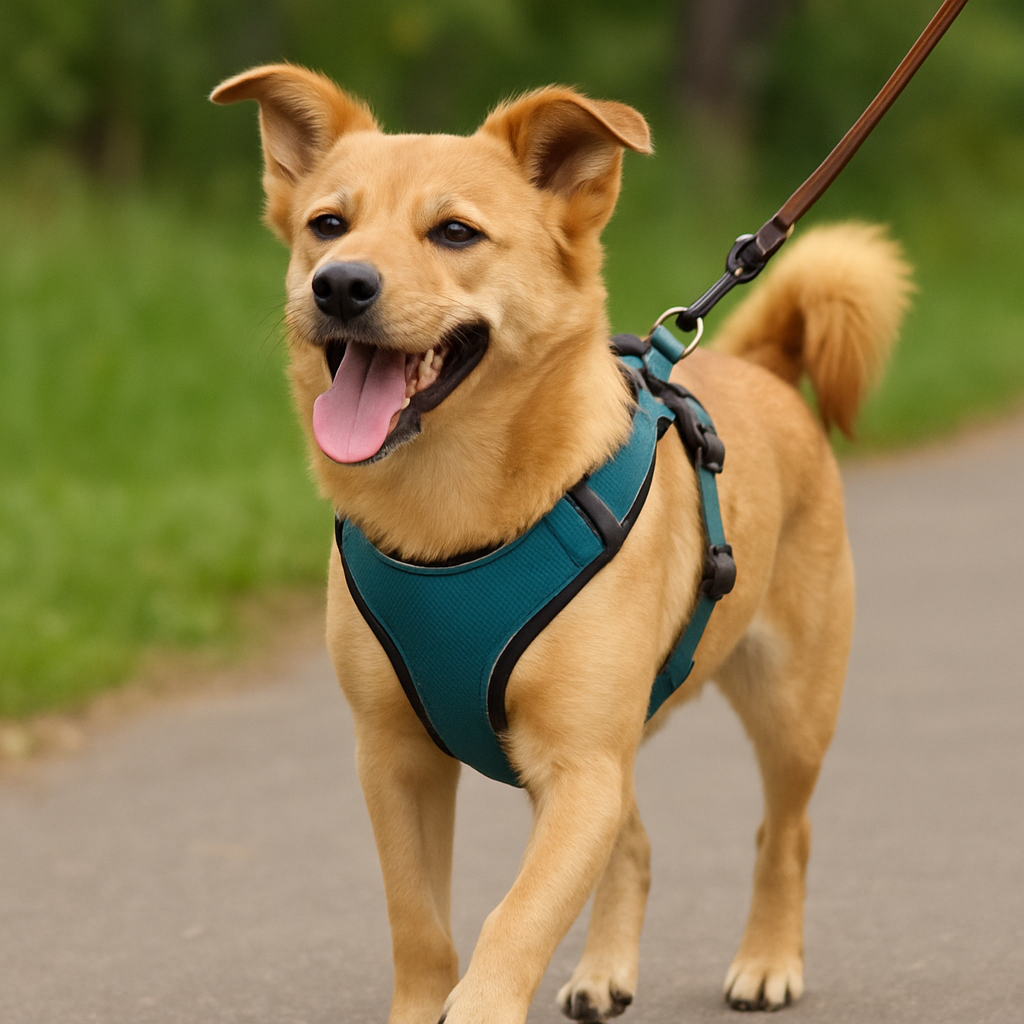
A happy dog wearing a comfortable and stylish harness on a walk

In this guide, we'll explore the benefits of using a dog harness. We'll also help you choose the best option for your furry companion.

Why Choose a Dog Harness Over a Collar?

Choosing between a collar and a dog harness can be puzzling for new pet owners. Understanding the advantages of harnesses may help you make an informed decision.

Harnesses offer superior control, especially for energetic dogs. They minimize pulling by distributing force across the chest. This makes walks more manageable for both you and your dog.

A harness is also kinder to your dog's neck. Traditional collars can cause neck or throat injuries. This risk is higher in dogs that pull or jerk suddenly.

For puppies and small breeds, harnesses prevent tracheal damage. Their developing bodies are more delicate, requiring gentle control.

Here's a quick rundown of benefits:

  • Even pressure distribution to avoid strain.
  • Neck injury prevention for those prone to pulling.
  • Better control and improved training experiences.
  • Gentle on delicate bodies of pups and small breeds.

A side-by-side comparison of a dog collar and a dog harnessby Rémi Priotton (https://ift.tt/MU1QV0x)

Switching to a harness can transform your walking experience, creating more enjoyable outings and maintaining your pup's health.

Key Benefits of Using a Dog Harness

Using a dog harness comes with a range of benefits that can improve both you and your pet's experience. It stands out for distributing pressure evenly across your dog's body, reducing the risk of discomfort and injuries. This is crucial for dogs that pull, offering a safer alternative to collars.

Harnesses enhance control during walks, making it easier to manage eager or high-energy pups. With better leverage, you can guide your furry friend without exerting too much effort. This makes walks smoother and more enjoyable.

For dogs with delicate necks or respiratory issues, harnesses provide a gentle option that bypasses the throat area. This ensures that sensitive areas aren't pressured, keeping your pet comfortable at all times.

Some harnesses come with features like reflective materials, which are perfect for nighttime strolls. These additions ensure that you and your pet are visible in low-light conditions, enhancing safety.

You’ll also find that many harnesses include handles for added control in crowded areas. These are invaluable for guiding your pet through busy streets or during training sessions.

Harnesses have become a popular tool for training. They help in correcting pulling behaviors and encouraging positive walking habits. The design allows for more precise guidance, aiding behavioral training effectively.

Here’s a summary of key advantages:

  • Even pressure distribution
  • Enhanced control
  • Safe for sensitive necks
  • Reflective features for safety
  • Added handles for extra control

A dog happily walking in a park wearing a harnessby Henrique Ferreira (https://ift.tt/sJDRd7S)

Harnesses aren't just a stylish accessory; they’re a practical tool that improves both safety and the quality of your time with your pet.

Types of Dog Harnesses Explained

Navigating the world of dog harnesses can be overwhelming. There's a type to suit every need and breed. Understanding each option helps you pick the perfect fit for your furry friend.

First up is the step-in dog harness. This user-friendly option is perfect for dogs who dislike overhead harnesses. It’s simple to put on: your dog just steps into it, and you're ready to go.

Tactical dog harnesses are another choice, especially for working dogs. They offer durability and extra features, like MOLLE systems. These harnesses are ideal for outdoor adventures and professional tasks.

For growing puppies or changing weather conditions, the adjustable dog harness is a popular pick. It allows for easy resizing, ensuring a snug fit as your dog grows or changes weight.

reflective dog harness is essential for safety during nighttime walks. These harnesses boast reflective materials that enhance visibility, keeping your pet safer in low-light conditions.

Then there are designer and leather dog harnesses. These offer style without compromising on function. Leather harnesses are also incredibly durable and can last for years.

When choosing a harness, consider these options:

  • Step-In Dog Harness
  • Tactical Dog Harness
  • Adjustable Dog Harness
  • Reflective Dog Harness
  • Designer and Leather Dog Harness

Various dog harness types lined up for displayby Oksana Lysenko (https://ift.tt/7k21Jcr)

Each harness type offers unique benefits to suit different lifestyles, environments, and doggie personalities. Understanding their differences will set you on the right path to picking the best option for your pet.

Happy dog wearing a comfortable harness on a sunny dayby Anastassia Anufrieva (https://ift.tt/tkawMWl)

Step In Dog Harness

The step-in dog harness is a breeze for both dogs and owners. It’s a great option for pups who shy away from overhead harnesses. Simplicity is its hallmark, making walks enjoyable.

This type of harness requires your dog to step into it, minimizing fuss and stress. It's perfect for squirmy puppies and older dogs with joint issues. The ease of use makes it a popular choice.

Highlights of a step-in harness include:

  • Easy application
  • Minimal stress on dogs
  • Great for those who dislike overhead harnesses

Dog happily stepping into a harness with owner's assistanceby Ксения Лапшина (https://ift.tt/LVEXwBM)

Tactical Dog Harness

For dogs with jobs, a tactical dog harness is unmatched. It’s designed for robustness and functionality. You'll find them invaluable for outdoor adventures.

Tactical harnesses often have extra features like MOLLE systems for attaching pouches. They're built tough, making them perfect for rugged terrains. Their durability makes them ideal for hiking and training sessions.

Key features include:

  • Durable materials
  • Additional storage options
  • Perfect for rugged environments

Dog in a tactical harness on a rugged landscapeby Becky Parkinson (https://ift.tt/e7Dv1jX)

Adjustable Dog Harness

An adjustable dog harness offers flexibility as your dog grows. It’s ideal for young pups and fluctuating sizes. This type fits snugly and comfortably across different body shapes.

With quick adjustments, you ensure a perfect fit every time. It adapts to your dog's needs and the layering required for different weather. It’s a versatile option for any pet owner.

Key advantages are:

  • Perfect fit for growing dogs
  • Versatile for different body shapes
  • Quick and easy adjustments

Owner adjusting a dog's harness to fit snuglyby Kojirou Sasaki (https://ift.tt/2UVXtz9)

Reflective Dog Harness

Safety shines with a reflective dog harness. These harnesses improve visibility in low-light conditions. They’re a must-have for early morning or late-night walks.

Reflective threads or materials enhance safety by making your dog easier to spot. It’s peace of mind for both you and your furry friend. Night strolls become safer and more enjoyable.

Standout features include:

  • Enhanced visibility
  • Improves nighttime safety
  • Peace of mind during low-light walks

Dog in a reflective harness glows during night walkby Elias Maurer (https://ift.tt/tP2lehw)

Designer and Leather Dog Harnesses

Style meets function in designer and leather dog harnesses. They're not just about aesthetics but offer durability and comfort too. Leather harnesses, particularly, boast a classic charm and long-lasting appeal.

These harnesses come in a range of colors and patterns to express your dog’s personality. They’re perfect for those who want their furry friend to walk in style. Function isn’t sacrificed for fashion.

Key points to note are:

  • Stylish and functional
  • Durable, especially leather options
  • Variety of colors and designs

Stylish dog sporting a designer leather harnessby Philippe Oursel (https://ift.tt/RwajmLb)

Choosing the Best Dog Harness for Your Pet

Selecting the right dog harness can make a huge difference. It’s important to think about your dog’s unique needs and lifestyle. A great harness enhances comfort and control, optimizing your walks together.

Consider your dog's size when picking a harness. For example, a big harness for dog works best for larger breeds that need extra support. An xxx small dog harness is ideal for tiny breeds that need a snug fit.

Evaluate the type of activities your dog engages in. If your dog hikes with you, a tactical dog harness may offer the durability and features required. For casual strolls, a comfortable dog harness with padding and breathable materials will do the trick.

Reflect on your dog's behavior as well. A dog that tends to pull on the leash may benefit from an adjustable design with a front clip. This feature helps redirect their movement and correct pulling behavior.

Here's a quick checklist to help you choose:

  • Dog's size and body shape
  • Activity level and outdoor adventures
  • Leash behavior and training needs
  • Comfort, fit, and adjustability

Pet owner browsing a range of dog harnesses in a storeby Igor Wang (https://ift.tt/b9CH1t2)

Once you've narrowed your options, trying a few harnesses might be helpful. Observe your dog's comfort during a short walk. A perfect fit and style choice will boost their confidence and enjoyment.

Fitting and Adjusting Your Dog Harness

Getting the right fit for your dog's harness is crucial. A properly fitted harness will ensure safety and comfort during walks. It's important not to rush this process.

First, measure your dog's girth and neck for the best fit. This helps in choosing an adjustable dog harness that suits them perfectly. Look for harnesses with multiple adjustment points to accommodate their shape.

Once you have the harness, let your dog wear it at home first. This helps them adjust to the new sensation. Check that the harness sits comfortably without restricting movement or rubbing their skin.

Here's a handy checklist for harness fitting:

  • Measure girth and neck accurately
  • Adjust for a snug but comfortable fit
  • Ensure no skin irritation

Properly fitted dog harness exampleby Eduardo Drapier (https://ift.tt/Slw6h3e)

Check and adjust the fit regularly. Dogs, especially growing ones, may need adjustments over time. Keeping their harness well-fitting is key to a safe and comfortable experience.

Safety Features to Look For

Safety features in a dog harness can make a world of difference. These features offer peace of mind and ensure your dog's safety. It's essential to know what to look for.

Reflective materials are a must-have for nighttime visibility. They enhance safety during evening walks. Another important feature is sturdy buckles and clips that withstand pulling and prevent accidents.

Padding in key areas helps reduce chafing and adds comfort. Look for handles for extra control, especially in busy areas.

Here's a quick list of safety features:

  • Reflective materials for visibility
  • Strong buckles and clips
  • Padding for comfort

Dog harness with safety featuresby Juan Pablo Mascanfroni (https://ift.tt/bfEm2H8)

Selecting a harness with these safety features enhances both control and security during walks. You'll both enjoy more peace of mind!

Caring for and Maintaining Your Dog Harness

Proper care ensures your dog harness lasts longer and performs well. Regular maintenance keeps it fresh, comfortable, and functional for your furry friend.

Start by checking for wear and tear. Look for frayed edges or damaged buckles. Addressing small issues early can prevent bigger problems later.

Many dog harnesses are machine washable, which is handy. Follow the manufacturer's instructions for the best results. Here are some quick care tips:

  • Spot clean stains with mild soap.
  • Allow it to air dry completely.
  • Store in a cool, dry place.

Washing a dog harnessby Anthony Duran (https://ift.tt/ZrNtipq)

Taking the time to maintain your dog's harness keeps it in top shape. Both you and your pup will be thankful for the extra care!

Frequently Asked Questions About Dog Harnesses

Choosing the right harness can seem daunting. We've answered some common questions to help you on your journey.

Why should I use a harness instead of a collar?

Harnesses provide better control and reduce neck strain. They're especially beneficial for dogs prone to pulling.

How do I choose the best harness for my dog?

Consider your dog's size, breed, and activity level. Look for features like adjustability and comfort.

Are certain harness types better for specific activities?

Yes, activities like hiking may require tactical harnesses for added functionality.

Here's a quick list of benefits harnesses offer:

  • Distributes pressure evenly.
  • Reduces neck injuries.
  • Prevents escape incidents.

How do I ensure the harness fits my dog properly?

Adjust the straps for a snug, comfortable fit. You should be able to slip two fingers between the harness and your dog.

Harnesses can enhance your dog's safety and comfort. Choose wisely and enjoy better walks with your furry friend!

Conclusion: Enhancing Your Dog’s Well-Being with the Right Harness

Choosing the right dog harness is more than just an accessory decision. It’s about ensuring your pet’s comfort, safety, and happiness on every outing.

A harness provides gentle control, improves safety, and distributes pressure. This makes walks enjoyable for both you and your dog.

Explore different types of harnesses to find the perfect fit for your furry friend. A good harness not only enhances control but also strengthens the bond you share.

A happy dog wearing a comfortable harness


from Talis Us - Blog https://ift.tt/6dDH7Mq

Choosing the Best Cat Scratching Post

Cat scratching a postby Jana Shnipelson (https://ift.tt/iUqk5xD)
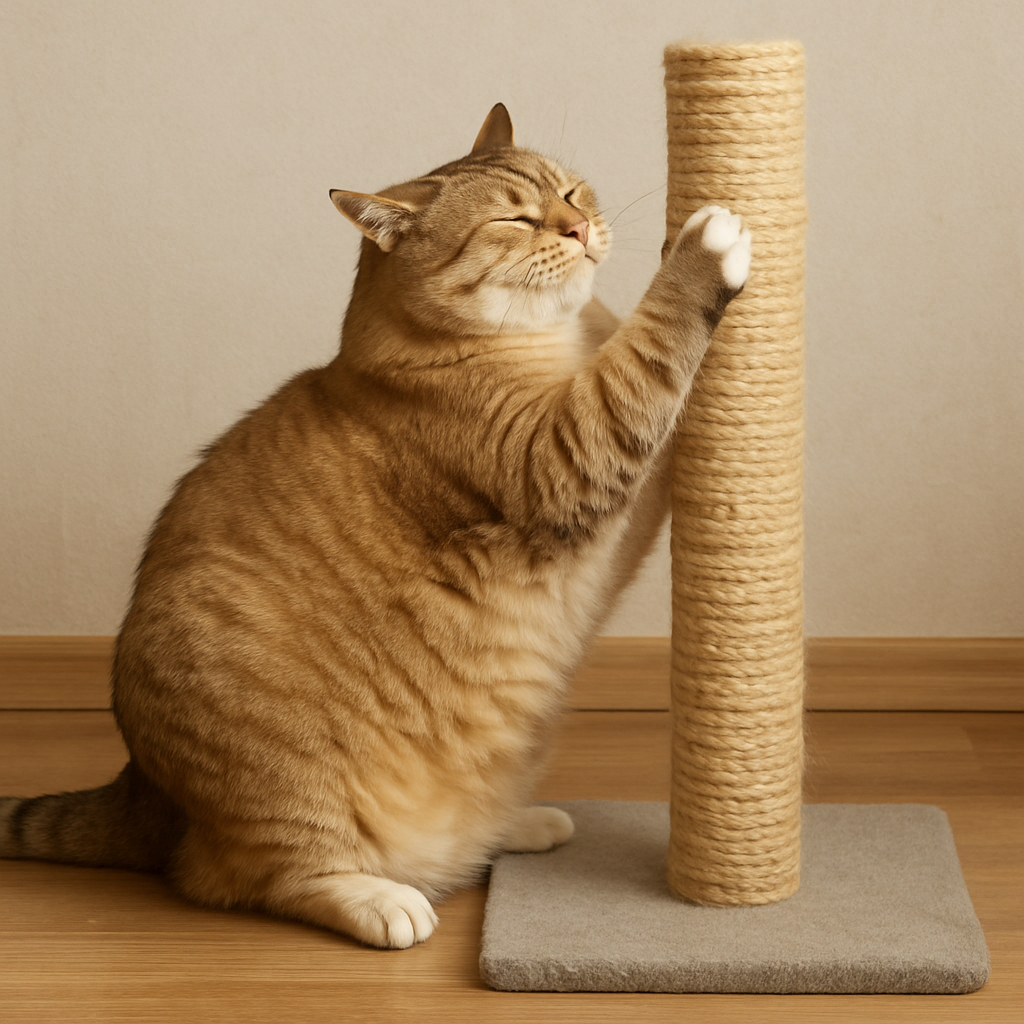
Cats are natural scratchers. This behavior is deeply ingrained, serving several purposes: it conditions their claws, marks territory, relieves stress, and provides a form of exercise. Without an appropriate outlet, your cat might resort to scratching furniture, carpets, or even walls. Therefore, providing a suitable cat scratching post is vital.

The Multifaceted Nature of Scratching

Scratching is not merely a physical activity; it's a multifaceted behavior with psychological and social implications. Cats scratch to remove the dead outer layer of their claws, a natural grooming behavior that keeps them sharp and healthy. Additionally, scratching leaves visual and scent marks, thanks to glands in their paws, which play a role in communication and territory marking. This behavior is critical for cats, as it helps them establish their presence and communicate with other animals.

Scratching as Stress Relief

Scratching also serves as a form of stress relief for cats. It allows them to release pent-up energy and frustration, especially in indoor environments where their movement might be restricted. The act of scratching provides a satisfying physical outlet, helping to prevent behavioral issues such as aggression or anxiety. By providing an appropriate scratching surface, you can help your cat manage stress and maintain emotional balance.

Exercise and Physical Health

Beyond mental health, scratching is essential for a cat's physical well-being. The stretching that accompanies scratching helps to keep your cat's muscles toned and flexible. This exercise is particularly important for indoor cats, who may not have the opportunity to engage in as much physical activity as their outdoor counterparts. A well-chosen scratching post can encourage more movement and contribute to your cat's overall fitness.

Choosing the Right Type of Scratching Post

When selecting a scratching post, consider factors such as size, material, and additional features. Let's delve into these components to help you make an informed decision.

Size Matters: Especially for Large Cats

Large cat using a scratching postCats come in various sizes, and their scratching post should reflect that. For large breeds, such as the Maine Coon or Norwegian Forest Cat, a big cat scratching post is essential. It should be tall enough for a full stretch and sturdy enough to withstand vigorous scratching. A post that is too small can be frustrating and may lead your cat to seek alternative scratching surfaces.

Tailoring to Your Cat's Specific Needs

When considering size, also think about your cat's individual preferences and habits. Some cats prefer horizontal surfaces, while others enjoy vertical scratching posts. Observing your cat's natural scratching behavior can provide insights into the best type of post for them. Additionally, multi-cat households may benefit from multiple posts to accommodate different preferences and reduce territorial disputes.

Space Considerations for Larger Posts

Larger scratching posts can take up significant space, so consider the layout of your home. Ensure that the post fits comfortably in your chosen location without obstructing pathways or creating clutter. A well-placed scratching post can become a central feature of your home, providing your cat with both a functional and enjoyable space.

Material: The Backbone of Durability

Scratching posts come in various materials, each with its unique benefits:

  • Sisal Rope or Fabric: Highly durable, sisal is a favorite among cat owners. Its rough texture satisfies a cat's need to scratch, without damaging their claws. Sisal is also resistant to tearing, making it a long-lasting option.
  • Carpet: While softer, carpeted posts can be confusing for cats if the same material is used elsewhere in your home. It's essential to choose a distinct texture to prevent cats from transferring their scratching behavior to household carpets.
  • Cardboard: Eco-friendly and often cheaper, cardboard scratchers offer a disposable option that some cats love. They can be easily replaced and are perfect for cats who enjoy shredding their scratching surfaces.

Exploring Novel Materials

Beyond traditional materials, some scratching posts incorporate innovative materials like wood or synthetic options. These can provide a different tactile experience and may appeal to certain cats. Experimenting with various materials can help identify what your cat prefers, ensuring they use the post consistently.

Considering Sustainability

As pet owners become more environmentally conscious, sustainable materials are gaining popularity. Look for posts made from recycled or renewable resources, which can reduce your environmental footprint. Choosing eco-friendly options not only benefits the planet but also supports companies committed to sustainable practices.

Added Features: Beds and Toys

A multifunctional scratching post can enrich your cat's environment. Consider a cat scratching post with a bed or attached toys. This not only provides a space for scratching but also for resting and playing, making it a comprehensive solution for your pet's needs.

Integrating Resting Spaces

Scratching posts with integrated beds offer a cozy resting spot that cats often appreciate. Elevated platforms can provide a sense of security, allowing your cat to observe their surroundings from a safe vantage point. These combined features create a multifunctional space that fulfills various aspects of your cat's lifestyle.

Engaging Play Elements

Incorporating toys into a scratching post setup can stimulate your cat's mind and encourage physical activity. Look for posts with dangling toys or attachments that engage your cat's hunting instincts. Interactive elements can significantly reduce boredom and associated behavioral issues, promoting a more harmonious household.

Customizable Designs

Some scratching posts offer customizable features, allowing you to add or remove elements based on your cat's preferences. This flexibility can be particularly beneficial as your cat's needs and interests evolve over time. A customizable scratching post can adapt to your pet's changing lifestyle, ensuring ongoing engagement.

The Benefits of a Cat Scratching Post with a Bed

A scratching post with an integrated bed offers a dual-purpose solution: it saves space and caters to your cat's need for a cozy resting spot. Cats often prefer elevated areas where they feel secure, and a scratching post with a bed can provide just that.

Creating a Sense of Security

Elevated beds on scratching posts offer cats a sense of security and privacy. Cats are naturally inclined to seek out high places where they can survey their environment without feeling vulnerable. A raised bed integrated into a scratching post can provide the perfect perch for relaxation and observation.

Maximizing Space Efficiency

In smaller homes or apartments, maximizing space is crucial. A scratching post with a bed combines two essential functions into one compact unit, making it an ideal choice for space-conscious pet owners. This efficient design ensures your cat has a dedicated area for both play and rest without sacrificing valuable floor space.

Encouraging Restful Sleep

The comfort of a bed integrated into a scratching post can encourage your cat to rest more peacefully. By providing a dedicated and comfortable sleeping area, you can help your cat maintain a consistent sleep routine, which is vital for their overall health and well-being.

Factors to Consider When Purchasing a Scratching Post

Now that you understand the types and benefits of scratching posts, consider these additional factors before making a purchase:

Stability and Safety

Ensure the scratching post is stable and doesn't wobble. A post that tips over can scare your cat, leading them to avoid it in the future. Look for posts with a wide, heavy base to prevent tipping. Stability is especially important for large or energetic cats who engage in vigorous scratching.

Evaluating Structural Integrity

Before purchasing, examine the post's construction to ensure it can withstand regular use. High-quality materials and craftsmanship are crucial for a durable scratching post. Check for secure fittings and reinforced joints to prevent damage over time.

Safety Considerations

In addition to stability, consider any potential safety hazards. Avoid posts with sharp edges or small parts that could pose a choking risk. Ensure all components are securely attached to prevent accidents and injuries.

Placement in Your Home

Strategically place the scratching post in areas your cat frequents, such as near their sleeping area or a window they enjoy. Cats often stretch and scratch upon waking, so proximity to their bed is ideal. Observing your cat's favorite spots can guide you in selecting the best location for the post.

Enhancing Accessibility

Make sure the scratching post is easily accessible to your cat. Avoid placing it in cramped or hard-to-reach areas. A convenient location encourages regular use and helps integrate the post into your cat's daily routine.

Integrating with Home Décor

While your cat's needs are paramount, consider the scratching post's design and how it fits into your home's décor. Modern designs offer sleek options that blend seamlessly into living spaces without compromising functionality. A well-chosen post can enhance both your cat's environment and your home's aesthetic.

Aesthetic and Space Considerations

While your cat's needs are paramount, consider the scratching post's design and how it fits into your home's décor. Modern designs offer sleek options that blend seamlessly into living spaces without compromising functionality.

Balancing Style and Function

Selecting a scratching post that complements your home's interior design can enhance the overall look of your living space. Many manufacturers offer a range of styles, from minimalist to elaborate, allowing you to find a post that suits your taste while meeting your cat's needs.

Space Optimization

If space is limited, consider vertical scratching posts or wall-mounted options that utilize vertical space. These designs can free up floor space while providing your cat with ample scratching opportunities. Creative solutions can help integrate the post into your home without sacrificing space.

Personalizing the Post

Some scratching posts offer customization options, allowing you to personalize the design to match your home's color scheme or theme. Adding personal touches can make the post a unique addition to your home, reflecting both your style and your cat's personality.

Maintaining Your Cat's Scratching Post

Over time, even the most durable scratching posts will show wear. Regular maintenance is essential for longevity and hygiene:

  • Inspect Regularly: Check for loose threads or worn-out areas, especially if the post is made of sisal. Regular inspections ensure the post remains safe and functional for your cat.
  • Clean Periodically: Vacuum or wipe down the post to remove fur and debris. Keeping the post clean helps maintain a hygienic environment for your cat and reduces allergens in your home.
  • Replace as Needed: When a post becomes unstable or excessively worn, it's time for a replacement. Investing in a new post ensures your cat continues to have a reliable scratching surface.

Prolonging the Life of Your Scratching Post

To extend the life of your scratching post, rotate or reposition it occasionally. This can prevent uneven wear and keep your cat interested in using it. Additionally, consider applying pet-safe sprays that encourage scratching, which can redirect attention to the post and away from furniture.

Routine Cleaning Practices

Establish a routine cleaning schedule to maintain the post's appearance and functionality. Depending on the material, you may need to use specific cleaning methods. For example, sisal can be vacuumed or spot-cleaned, while cardboard may need replacement more frequently.

Recognizing When to Replace

Pay attention to signs that indicate it's time for a new scratching post, such as persistent wobbling or significant damage. A fresh scratching post can reinvigorate your cat's interest and provide a renewed source of enjoyment and exercise.

Conclusion

A thoughtfully chosen cat scratching post is an investment in your pet's health and happiness. By understanding the behavioral significance and selecting a post that meets your cat's physical needs, you contribute to their overall well-being. Remember, the best cat scratching post is one that your feline friend uses happily and consistently. Consider your cat's size, material preferences, and the added features that could enrich their environment. With the right choice, you can enhance your home and provide your cat with a beloved sanctuary for scratching, playing, and resting.

By following these guidelines, new pet owners can confidently select a scratching post that supports their cat's natural behaviors and integrates seamlessly into their home. Prioritize your pet's needs, and both you and your feline companion will enjoy the benefits of a well-chosen scratching post for years to come.


from Talis Us - Blog https://ift.tt/EblypPg